

Introduction
A vehicle breakdown can turn an ordinary drive through Dublin, Ohio, into a stressful situation. A dead battery in a parking lot, a flat tire on a busy road, an overheated engine during the afternoon commute, or an accident at an intersection can leave drivers wondering what to do next. Knowing how towing and roadside assistance work can help you make safer decisions and avoid unnecessary damage to your vehicle.
Dublin drivers travel on roads with different traffic conditions, from local streets and residential neighborhoods to major routes such as Interstate 270, U.S. Route 33, and State Route 161. A problem that seems minor in a quiet parking area can become more complicated when a vehicle stops near fast-moving traffic. The right response depends on the vehicle's condition, the location of the breakdown, and whether it is safe to attempt a simple repair.
Towing and roadside assistance serve related but different purposes. Roadside assistance may resolve a problem where the vehicle stops, while towing transports a vehicle that cannot be driven safely or repaired at the scene. Understanding these services helps drivers choose appropriate assistance, communicate their needs clearly, and prepare for what happens during a professional accident recovery service.
This guide explains what Dublin motorists should know about emergency towing, common roadside problems, vehicle recovery, service costs, and safe breakdown procedures.
What Are Towing and Roadside Assistance?
Towing is the transportation of a vehicle using specialized equipment when it cannot or should not be driven to its destination. Roadside assistance refers to services intended to address common vehicle problems at or near the location where they occur.
Although the services often overlap, they are not interchangeable in every situation.
What Does Towing Include?
Depending on the provider, vehicle, equipment, and circumstances, towing services may include:
Local towing to a repair shop, dealership, residence, or another suitable destination.
Accident recovery and vehicle transport.
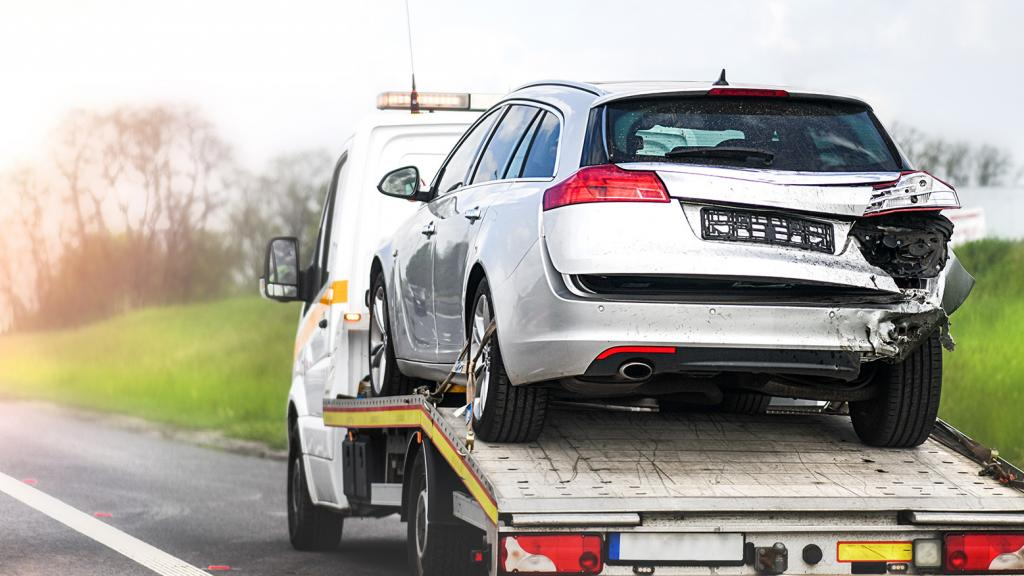
Flatbed towing for vehicles that require all wheels to remain off the road.
Light-duty towing for many passenger cars, SUVs, and smaller vehicles.
Vehicle recovery when a vehicle is stuck or has left the roadway.
Longer-distance transportation when a vehicle needs to travel beyond the immediate area.
The appropriate towing method depends on the vehicle's weight, drivetrain, ground clearance, condition, and manufacturer recommendations. A vehicle with significant collision damage or a suspected transmission problem may require different handling from a car that simply will not start. Learning when is flatbed towing the best choice for your vehicle can help protect your vehicle during transport.
What Does Roadside Assistance Include?
Roadside assistance commonly addresses problems that may be resolved without transporting the vehicle.
Typical services include:
Flat-tire assistance and tire change services.
Emergency fuel delivery.
Vehicle lockout assistance.
Basic help with certain mechanical or electrical problems.
Winching or recovery assistance when offered by the provider.
Not every roadside issue can be fixed on location. For example, a jump-start may get a car running, but a failed alternator could cause it to stall again. A tire with substantial sidewall damage may need replacement rather than a temporary repair.
The goal is to identify a safe, practical next step instead of assuming every problem can be resolved at the roadside. Exploring the benefits of choosing a professional roadside assistance service ensures you get prompt care when issues arise.
Common Reasons Dublin Drivers Need Towing or Roadside Assistance
Vehicle problems can happen even when a car has been maintained regularly. Recognizing common warning signs helps drivers determine when to stop driving and request professional help. Understanding what causes unexpected vehicle breakdowns and how to prepare keeps you ahead of potential trouble.
Dead Batteries and Starting Problems
A weak or discharged battery may cause clicking sounds, dim dashboard lights, slow engine cranking, or no response when the driver turns the key or presses the start button. Knowing dead battery: here's when to call for a jump start service can save you time.
A jump-start may restore power if the battery is simply discharged and the charging system is functioning correctly. However, repeated starting failures can indicate a failing battery, alternator trouble, loose connections, or another electrical issue. Recognizing the signs your car battery may fail before it leaves you stranded is crucial.
Drivers should avoid attempting a jump-start if the battery is visibly damaged, leaking, swollen, or suspected to be frozen. Modern vehicles may also have specific jump-start terminals and procedures, so checking the owner's manual is a sensible precaution. If your car won't start after sitting, professional diagnostics can identify the cause.
Flat Tires and Tire Damage
A puncture, damaged valve stem, impact with a pothole, or loss of tire pressure can make a vehicle unsafe to drive. A tire-pressure warning light may appear before a tire looks visibly flat.
If you notice a sudden loss of pressure, unusual vibration, or difficulty steering, slow down gradually and stop somewhere safe if possible. Do not continue driving on a severely underinflated tire simply to reach a repair shop. Reviewing flat tire emergencies: what drivers should do before help arrives can aid in safety.
Roadside assistance may help install a usable spare tire. If the spare is missing, damaged, or unsuitable for the vehicle, towing may be the safer choice. Discover why professional tire change services are safer than DIY roadside repairs to prevent potential injuries.
Engine Overheating
An engine temperature warning, steam from beneath the hood, or a rising temperature gauge can indicate overheating. Continuing to drive may cause serious engine damage.
Pull over safely, switch off the engine, and allow it to cool. Never remove a radiator cap while the cooling system is hot because pressurized coolant can cause severe burns.
A cooling-system leak, failed water pump, damaged radiator, or malfunctioning fan may require professional diagnosis. In those cases, arranging a tow is generally safer than trying to drive the vehicle to a mechanic.
Mechanical and Transmission Failures
Unusual grinding noises, severe fluid leaks, sudden loss of power, difficulty shifting gears, or a transmission-temperature warning should not be ignored. These symptoms can indicate problems that become more expensive if the vehicle continues moving.
If the vehicle loses the ability to move normally, stop in a safe place and explain the symptoms when requesting assistance. Tell the towing provider if the wheels are locked, the vehicle cannot shift into neutral, or the steering and brakes are not functioning normally.
This information helps the operator determine what equipment and loading method may be needed.
Accidents and Vehicles Stuck Off the Road
After a collision, a vehicle may appear drivable but still have hidden damage to the suspension, steering, cooling system, or wheels. Damaged airbags, leaking fluids, or a wheel that sits at an unusual angle are reasons to avoid driving it. Learning how to safely handle an accident before your vehicle is recovered improves scene safety.
Vehicles stuck in mud, snow, soft ground, or a roadside ditch may require recovery equipment rather than a standard tow. Recovery work involves additional considerations, including the vehicle's position, ground conditions, nearby traffic, and why fast response times matter after a vehicle accident.
Never attempt to pull a stuck vehicle using an improvised rope or an attachment point that is not designed for recovery. Professional operators can assess whether controlled winching or another recovery method is appropriate.
What to Do When Your Vehicle Breaks Down in Dublin, Ohio
A breakdown can be unsettling, especially when traffic is moving quickly. Following essential safety tips for drivers experiencing a breakdown on busy roads can keep you safe while you arrange assistance.
Step 1: Move to a Safer Location if Possible
If the vehicle is still controllable, move away from moving traffic and into a suitable parking area, wide shoulder, or other safe location. Avoid stopping in a travel lane unless continuing to move would create a greater danger.
Turn on your hazard lights. If the vehicle loses power or develops a serious mechanical problem, do not take risks trying to reach a distant exit.
Step 2: Assess Immediate Hazards
Check your surroundings before leaving the vehicle. On a busy road or narrow shoulder, getting out may expose you to passing traffic.
If you can safely remain inside with your seat belt fastened, that may be the safer option. If the vehicle is in an exposed or dangerous position, follow emergency dispatcher instructions and move to a safer location only when it is safe to do so. Knowing what to do while waiting for emergency towing service reduces extra stress.
If anyone is injured, the vehicle is involved in a serious collision, or there is an immediate threat to life, contact 911.
Step 3: Identify the Vehicle's Location
A precise location helps the towing or roadside assistance provider find you without unnecessary delays. Knowing what information should you give a tow truck driver about your location makes dispatching faster.
Share details such as:
The road name, direction of travel, and nearest exit or intersection.
A nearby business, parking lot, or recognizable landmark.
Your location-sharing pin, if available.
The lane or shoulder where the vehicle is stopped, when safe to determine.
For example, saying that your car is disabled on I-270 near a particular exit is more useful than saying you are somewhere outside Dublin. Never walk along a highway to find a road sign if doing so would put you in danger.
Step 4: Describe the Problem Clearly
Explain whether the vehicle has a flat tire, a dead battery, an overheating engine, collision damage, or a problem that prevents it from moving. Knowing what information should you provide when calling a tow truck ensures the right equipment is sent.
Provide the vehicle's make, model, approximate year, and drivetrain information if known. If the vehicle is electric, all-wheel drive, lowered, heavily loaded, or unable to shift into neutral, mention that as well.
Accurate information helps the provider decide whether roadside assistance is appropriate or a tow truck is needed.
Step 5: Confirm the Service and Destination
Before work begins, ask what service is being dispatched, the expected arrival estimate, and the likely charges. If towing is required, confirm the destination and whether the quoted price includes mileage, recovery work, or other applicable fees.
If your vehicle needs a particular towing method, explain why. A vehicle with a damaged wheel or manufacturer-specific towing restrictions may need special handling.
Keep your phone accessible, remain aware of traffic, and follow instructions from the operator or emergency personnel.
Choosing the Right Towing Method for Your Vehicle
Different towing methods serve different needs. Choosing appropriate equipment helps reduce the risk of damage during loading and transportation. Learning what is damage-free towing gives you peace of mind.
Flatbed Towing
Flatbed towing places the vehicle on a platform so all four wheels are lifted off the road. It is often suitable for vehicles with substantial damage, many all-wheel-drive models, low-clearance cars, and vehicles that must not be towed with their wheels rolling.
The exact requirements depend on the manufacturer's instructions and the vehicle's condition. Understanding how professional flatbed towing protects your vehicle during transport helps explain why it is the preferred method when drivetrain or wheel damage creates additional risks.
Wheel-Lift Towing
Wheel-lift equipment raises one end of a vehicle while the other end remains on the road. Understanding flatbed towing vs traditional towing: what's the difference helps clarify when wheel-lift towing can be appropriate for certain passenger vehicles.
The operator must consider drivetrain type, transmission requirements, wheel condition, ground clearance, and manufacturer guidance. Incorrect towing procedures can damage some automatic transmissions and all-wheel-drive systems.
Winching and Vehicle Recovery
Winching is used to pull a vehicle from a stuck or difficult position using appropriate recovery equipment. Understanding what is vehicle recovery: common situations that may require recovery shows it may be needed when a car is stuck in mud, has slid into a ditch, or cannot move under its own power.
Recovery is not the same as ordinary towing. Learn understanding the difference between vehicle recovery and towing to see how operators assess the vehicle's position, ground stability, anchor points, and hazards.
When requesting help, explain whether the vehicle is on firm pavement, soft ground, a slope, or off the roadway. That distinction can affect the equipment and service required.
How Much Does Towing or Roadside Assistance Cost in Dublin, Ohio?
There is no single price that applies to every towing call. Finding out how much does towing cost in columbus, oh reveals that the final cost depends on the service required, the vehicle, the pickup location, the destination, and scene conditions.
Factors That Affect the Price
Common pricing factors include:
Distance: A short local tow may cost less than a longer trip to a repair facility outside the Dublin area.
Vehicle type: Heavier vehicles or those with special handling requirements may require different equipment.
Service type: A jump-start, tire change, standard tow, and off-road recovery involve different work.
Accessibility: A vehicle in a ditch, underground garage, tight parking space, or obstructed area may require extra effort.
Timing and circumstances: After-hours service, difficult recovery conditions, or specialized equipment may affect the quote.
Additional charges: Storage, waiting time, tolls, or other fees may apply depending on the circumstances and provider's terms.
A base towing price does not necessarily represent the complete bill. Ask whether the quote includes hookup, mileage, recovery work, and the destination you requested.
How to Avoid Unexpected Charges
Before authorizing service, request a clear explanation of the estimated total and the circumstances that could change it. Confirm whether the estimate is fixed or subject to additional charges.
If you have roadside assistance through auto insurance, a motor club, a vehicle warranty, or another benefit, check the coverage terms. Some plans cover a limited towing distance or reimburse eligible expenses rather than paying the provider directly.
Do not assume that every policy includes accident recovery, winching, or long-distance transport. Keep receipts and service records if you may need to submit a reimbursement claim.
Does Auto Insurance Cover Towing?
Towing coverage depends on the policy and the reason the vehicle needs assistance. Some insurance policies include roadside assistance as an optional benefit, while others may cover towing in specific circumstances, such as an eligible covered accident.
Collision coverage does not automatically mean every mechanical breakdown is covered. Routine battery failure, a flat tire, or transmission trouble may fall outside the scope of accident-related coverage unless separate roadside benefits apply.
Before requesting reimbursement, review your policy or contact your insurer. Ask about approved providers, service limits, deductibles, mileage allowances, and whether you must obtain authorization before arranging a tow.
If law enforcement or another authorized party directs the vehicle to a particular storage facility after a collision, clarify the applicable procedures and charges before making assumptions about where the vehicle will go.
Preparing Your Vehicle Before an Emergency
Preventive maintenance cannot eliminate every breakdown, but taking steps on how to reduce the risk of needing emergency roadside assistance can make an unexpected stop easier to manage.
Follow a Practical Maintenance Routine
Check your owner's manual for recommended inspection and service intervals. Pay attention to battery condition, tire pressure, tread wear, engine oil, coolant, brakes, and other maintenance items appropriate for your vehicle.
Address warning lights and unusual sounds promptly. A battery that struggles to start the engine or a tire that repeatedly loses pressure deserves attention before a longer trip.
Seasonal checks are especially useful before severe weather arrives. Learning how weather conditions increase the need for roadside assistance highlights how cold temperatures impact battery performance while rain and snow increase hazards.
Keep a Roadside Emergency Kit
A practical emergency kit may include:
A phone charger or power bank.
A flashlight with working batteries.
A first-aid kit.
Drinking water and weather-appropriate clothing.
Reflective warning equipment, where it can be used safely and legally.
Basic vehicle information and emergency contacts.
A spare tire and the necessary tools, if the vehicle is equipped for one.
Store items so they do not become dangerous projectiles during sudden braking. Do not place yourself in traffic to deploy warning equipment or perform a repair.
Understand Your Vehicle's Towing Requirements
Read the owner's manual to understand towing restrictions, designated recovery points, and procedures for your vehicle's drivetrain. Electric vehicles and many all-wheel-drive vehicles have specific requirements, such as understanding how flatbed towing helps protect AWD vehicles during transport.
Knowing these details in advance can save time during a stressful call. Having the advantages of having a trusted towing company saved in your phone allows qualified operators to assess your options quickly.
Common Misconceptions About Roadside Assistance
A Vehicle That Starts Again Is Always Safe to Drive
A successful jump-start does not prove the battery or charging system is healthy. Likewise, a tire that holds air temporarily may still have structural damage.
If the original symptoms return or a warning light remains illuminated, have the vehicle inspected before continuing a journey.
Every Tow Truck Can Handle Every Vehicle
Tow trucks have different capacities and equipment. A low-clearance sports car, a vehicle with locked wheels, and an SUV stuck off the roadway may require different procedures. Learn why flatbed towing is a smart option for low clearance vehicles to avoid damage.
Giving the provider accurate information before dispatch helps match the job to suitable equipment.
The Closest Repair Shop Is Always the Best Destination
A nearby shop may be convenient, but it may not handle your vehicle's make, drivetrain, or type of damage. Your preferred mechanic, dealership, or insurance-approved facility may be a better fit.
Confirm the destination before loading the vehicle, especially after an accident. If your insurer or roadside plan has specific requirements, check those before authorizing transport when circumstances allow.
Roadside Assistance Always Costs Less Than Towing
A roadside repair may be less expensive when the problem is simple, but the best choice depends on the vehicle's condition. Repeatedly attempting to start an engine that is overheating or driving on a damaged tire can create additional problems.
The sensible approach is to select the service that addresses the actual issue safely, not simply the service with the lowest initial price.
Conclusion
Reliable towing and roadside assistance can make a difficult vehicle breakdown easier to manage. For drivers in Dublin, Ohio, the most important steps are to prioritize personal safety, identify the vehicle's location, explain the problem accurately, and choose assistance that matches the vehicle's condition.
A jump-start or tire change may resolve a minor problem, while mechanical failure, collision damage, or a vehicle stuck off the road may require professional towing or recovery. Understanding why 24/7 towing services are essential for modern drivers and asking about service charges before authorizing work helps prevent confusion.
Preparation matters, too. Regular maintenance, a basic emergency kit, and understanding how to prepare your vehicle for safe towing after a breakdown help you respond more confidently when something goes wrong.
If your vehicle becomes disabled, avoid taking unnecessary risks. Contact us or visit Casper Towing to request appropriate assistance, follow safety instructions, and have your vehicle inspected promptly.
Frequently Asked Questions
1. What towing services are available in Dublin, Ohio?
Towing options may include local vehicle transport, accident towing, flatbed towing, light-duty towing, and vehicle recovery. Availability depends on the provider, vehicle type, location, and equipment required. Confirm the service needed when requesting assistance.
2. Is roadside assistance available 24 hours a day in Dublin, Ohio?
Some towing and roadside assistance providers offer 24-hour emergency service, but availability varies. Confirm that the provider operates around the clock, ask about estimated arrival time, and explain your exact location and vehicle problem when calling.
3. Should I request towing or roadside assistance for a car that will not start?
Request roadside assistance if the problem may be resolved with a jump-start or another suitable on-site service. If the vehicle has an unresolved mechanical problem, electrical failure, or repeated starting issues, towing to a repair facility may be necessary.
4. Is flatbed towing better than wheel-lift towing?
Neither method is best for every vehicle. Flatbeds carry the vehicle with all four wheels off the road, while wheel-lift equipment raises one end. The correct method depends on drivetrain, vehicle condition, ground clearance, and manufacturer towing instructions.
5. How much does a tow truck cost in Dublin, Ohio?
Towing costs vary according to distance, vehicle size, service type, accessibility, and any additional charges. Request an estimate that explains the base fee, mileage, recovery work, and possible extra costs before authorizing service.
6. Can roadside assistance help with a dead car battery?
Yes, many providers offer battery jump-start services. A jump-start may restore a vehicle with a discharged battery, but it will not necessarily resolve a failing battery or charging-system problem. Learn what causes a car battery to die while you're away from home to avoid repeated failures.
7. What should I do if my car breaks down on I-270 near Dublin?
Activate your hazard lights and move to a safer location if possible without creating additional danger. Contact emergency services if there is an immediate threat or serious collision. Otherwise, request roadside assistance or towing and provide your direction of travel, nearest exit, and precise location.
8. Does car insurance cover towing after a breakdown?
Coverage depends on your insurance policy and the circumstances. Some policies offer optional roadside assistance, while accident-related towing may be covered under applicable policy terms. Check mileage limits, deductibles, provider requirements, and reimbursement rules before arranging service when possible.
9. Can an all-wheel-drive vehicle be towed with two wheels on the ground?
Some all-wheel-drive vehicles require all four wheels to remain off the ground during towing, while others permit specific manufacturer-approved procedures. Check the owner's manual and tell the towing provider the exact vehicle model so the correct equipment can be selected.
10. What information should I provide when requesting a tow truck?
Provide your exact location, vehicle make and model, the nature of the problem, and whether the vehicle can roll, steer, and shift into neutral. Learn what to expect when a tow truck is dispatched to your location so you can share accident damage, locked wheels, low clearance, or unusual drivetrain details efficiently.
