

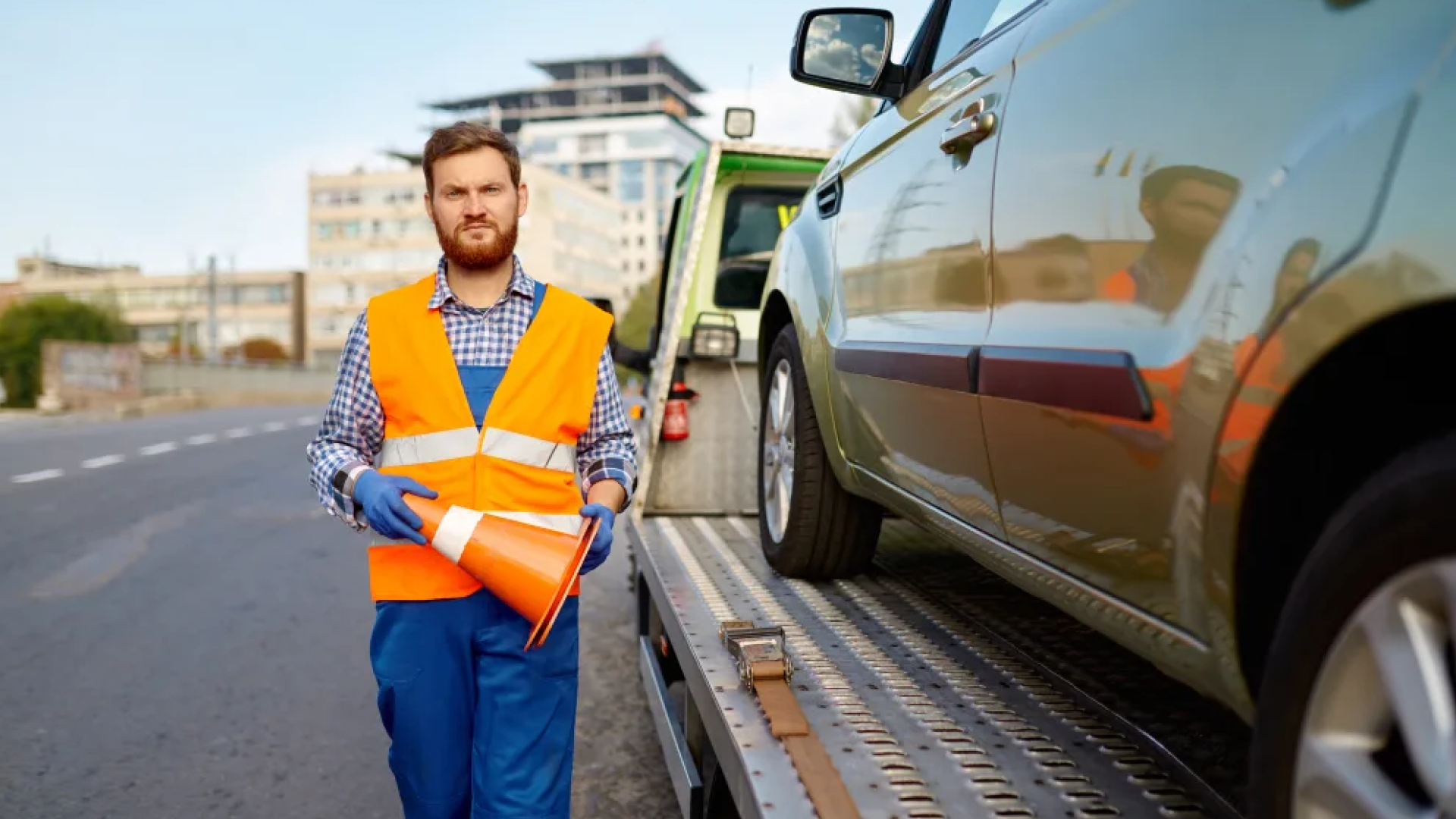
Introduction
A vehicle breakdown can happen at the worst possible time. You may be on your way to work, traveling with your family, or driving through an unfamiliar part of Ohio when the engine stops, a warning light appears, or the vehicle becomes unsafe to drive.
Knowing what to do while waiting for help can make the situation safer and easier to manage. Proper preparation also helps prevent avoidable damage to your vehicle and gives the towing operator the information needed to choose the right equipment and approach.
Preparing a vehicle for towing is more than simply putting the transmission in park and handing over the keys. Depending on the type of breakdown, the vehicle may need special handling, particularly if it has steering, braking, suspension, transmission, drivetrain, or electrical problems.
This guide explains how to prepare your vehicle for safe towing after a breakdown, what information to give the towing company, what belongings to remove, and what you should avoid doing while waiting for assistance.
What to Do Immediately After Your Vehicle Breaks Down
Your first priority should be personal safety, not getting the vehicle running again.
If your vehicle is still moving, try to reach the safest practical location. Depending on the situation, this could be a shoulder, parking lot, side street, or another area away from active traffic.
Turn on your hazard lights as soon as it is safe to do so. If the vehicle is in a dangerous position or cannot be moved safely, remain inside with your seat belt fastened when staying in the vehicle provides better protection from traffic.
Once you are in a reasonably safe position, assess what causes unexpected vehicle breakdowns to better explain the situation to responders.
Move the Vehicle Only If It Is Safe
A vehicle with a flat tire, damaged wheel, overheating engine, steering problem, or collision damage may not be safe to drive.
Trying to move it farther than necessary can turn a manageable breakdown into a more expensive mechanical problem.
Do not attempt to drive a vehicle if:
The brakes are not functioning correctly.
The steering feels unsafe or unresponsive.
A wheel or tire is severely damaged.
The engine is overheating.
Fluid is leaking heavily.
The vehicle has significant accident damage.
The transmission or drivetrain is malfunctioning.
Smoke, burning odors, or other serious warning signs are present.
If you are uncertain whether the vehicle can be driven, tell the towing provider exactly what happened and let the professional determine what equipment is appropriate.
Make Your Location Easy to Identify
A towing operator needs more than a city name.
Provide your exact location whenever possible, including the road, direction of travel, nearby intersection, mile marker, exit number, business, landmark, or parking lot.
For example, saying that you are "on I-270 near Columbus" may not be enough. Giving the direction of travel and nearest exit can make it much easier to locate you.
If you are on a highway, follow essential safety tips and note whether you are on the shoulder, an entrance ramp, an exit ramp, or another part of the roadway.
Contact the Towing Company and Explain the Problem Clearly
When requesting towing or roadside assistance, describe the vehicle and the problem as accurately as possible.
You do not need to diagnose the mechanical failure. Instead, explain what you observed.
For example:
"The engine suddenly shut off."
"The car will start but will not move."
"The front tire is completely flat."
"The vehicle was involved in a collision."
"The battery appears to be dead."
"The vehicle is stuck in a ditch."
"The steering wheel is difficult to turn."
"There is fluid leaking underneath the vehicle."
Knowing what information you should provide can help the towing provider determine whether you need roadside assistance, 24/7 emergency towing, flatbed towing, or specialized recovery equipment.
Tell the Tow Operator About Vehicle-Specific Details
Certain vehicles require additional consideration during towing.
Mention if your vehicle is:
All-wheel drive or four-wheel drive
Electric or hybrid
A luxury or specialty vehicle
Modified or lowered
Very low clearance
Heavily damaged
Loaded with unusually heavy equipment
Equipped with a trailer or other attachment
Also mention if the wheels cannot roll, the steering is locked, or the vehicle cannot be shifted into neutral.
This information can affect how the vehicle is loaded and secured.
Remove Personal Belongings Before the Vehicle Is Towed
If the situation is safe and you have enough time, remove important personal belongings from the vehicle before towing begins.
Pay particular attention to:
Wallets and identification
Phones and tablets
Laptops
House keys
Prescription items
Important documents
Work equipment
Cash
Jewelry
Child-related items
Anything fragile or valuable
Towing involves moving the vehicle, and belongings inside the cabin or cargo area can shift during transport.
Do not spend significant time gathering belongings if doing so puts you near moving traffic or another hazard. Personal safety should always come first.
Check the Trunk and Cargo Area
Drivers often remember the items inside the cabin but forget about the trunk, rear cargo area, glove compartment, or center console.
If it is safe, check these areas for valuable or loose belongings.
If the vehicle is being towed after an accident, however, access may be limited because of vehicle damage. Never force open a damaged door, hood, trunk, or compartment.
Prepare the Vehicle for Loading
Once the tow truck arrives, allow the operator to assess the vehicle before attempting to move it.
A professional towing operator will consider the vehicle's condition, position, weight, drivetrain, clearance, and accessibility.
Put the Vehicle in the Correct Position
If the vehicle can safely be shifted into neutral, follow the operator's instructions.
Do not assume that every vehicle should be placed in neutral. The correct procedure depends on the vehicle and the type of tow.
Modern vehicles can have specific towing requirements, and some drivetrains can be damaged if the vehicle is moved incorrectly.
If you are unsure, consult the vehicle owner's manual or follow instructions from the towing professional.
Release the Parking Brake Only When Instructed
The parking brake can affect vehicle movement and loading.
Do not release it simply because you assume the tow truck needs the wheels to move. Wait for the towing operator to explain what is required.
If the parking brake is stuck or cannot be released, tell the operator. Specialized equipment may be needed.
Choose the Right Type of Towing Method
Not every breakdown requires the same towing method.
The appropriate equipment depends on the vehicle and its condition.
Flatbed Towing
Flatbed towing places the vehicle on a level platform for transportation.
It can be useful when a vehicle should not be driven or when keeping all four wheels off the road is appropriate.
Flatbed towing may be especially useful for vehicles with certain drivetrain concerns, significant damage, low ground clearance, or other circumstances where conventional towing may not be suitable. Understanding how flatbed towing protects your car ensures peace of mind during transport.
The towing operator should determine the appropriate loading method based on the vehicle's condition and manufacturer requirements.
Wheel-Lift or Conventional Towing
A wheel-lift tow truck raises part of the vehicle while the remaining wheels stay off the ground.
This can be appropriate for some vehicles and situations, but the correct method depends on the vehicle's drivetrain, condition, and towing requirements.
A professional operator should inspect the situation before deciding when flatbed towing or traditional methods are appropriate.
Vehicle Recovery
A simple roadside tow is different from vehicle recovery.
Recovery may be necessary when a vehicle is stuck in a ditch, off the roadway, in mud, snow, or another difficult position.
Trying to pull a stuck vehicle out with improvised equipment can cause additional damage. Professional recovery equipment is designed to handle difficult extractions safely based on the vehicle's weight, location, and condition.
What You Should Not Do Before a Tow Truck Arrives
Knowing what not to do can be just as important as knowing what to do.
Do Not Keep Driving a Seriously Damaged Vehicle
If the vehicle has obvious mechanical or structural damage, continuing to drive can make the problem worse.
A small amount of additional driving may also create safety risks for you, passengers, and other motorists.
If the vehicle is already in a safe location, leave it there and request professional assistance.
Do Not Attempt Improvised Towing
Using another passenger vehicle, rope, chain, or makeshift equipment to pull a disabled vehicle can be dangerous.
Improper towing equipment may fail, damage the vehicle, or create a hazard for people nearby.
Professional towing equipment is designed for controlled vehicle transport and recovery.
Do Not Stand in an Unsafe Area
A breakdown can create a dangerous roadside environment, especially on highways or busy roads.
Avoid standing between your vehicle and active traffic. Do not stand behind or directly beside the vehicle while traffic is passing close by.
If you are unsure where to wait, follow the guidance of emergency personnel or the towing professional.
Prepare for Towing After an Accident
Accident recovery requires extra caution.
If your vehicle has been involved in a collision, do not assume it is safe to drive simply because the engine still starts. Understanding how to safely handle an accident before help arrives is crucial.
Damage may affect:
Steering
Suspension
Brakes
Wheels
Tires
Electrical systems
Fluid systems
Body structure
Photograph the vehicle and surrounding area if it is safe to do so and if doing so does not interfere with emergency response.
If law enforcement is present, follow their instructions regarding the vehicle and accident scene.
Tell the Towing Provider About Visible Damage
Describe damaged areas before the tow begins.
Mention broken wheels, hanging body panels, leaking fluids, deployed airbags, damaged bumpers, or other visible problems.
This helps the towing operator plan the safest loading method and avoid placing unnecessary stress on damaged components.
Make a Quick Pre-Tow Checklist
If you are waiting for roadside assistance and conditions are safe, use this checklist:
Turn on your hazard lights.
Move to a safe location if possible.
Contact a towing or roadside assistance provider.
Give your exact location and direction of travel.
Describe the vehicle and breakdown.
Explain whether the vehicle can roll, steer, and shift into neutral.
Mention accident damage or mechanical problems.
Tell the operator about AWD, 4WD, EV, hybrid, low-clearance, or specialty vehicles.
Remove important belongings if it is safe.
Follow the towing operator's instructions during loading.
This simple process gives the towing company useful information while reducing unnecessary risks.
How Weather and Road Conditions Affect Towing
Ohio drivers can encounter rain, snow, ice, strong winds, and poor visibility during different parts of the year.
Weather can make both the breakdown and towing process more difficult. Learn how weather conditions affect road safety and increase service needs.
Snow and ice may affect traction around the disabled vehicle. Heavy rain can reduce visibility for approaching traffic. Poor visibility at night can make a roadside breakdown especially hazardous.
Tell the towing provider if your vehicle is stuck in snow, mud, standing water, a ditch, or another difficult location.
The more accurately you describe the environment, the better prepared the operator can be for the situation.
Keep Useful Vehicle Information Accessible
You do not need to carry a large collection of documents in your vehicle, but having basic information available can make a roadside emergency easier to manage.
Useful information includes:
Vehicle make and model
Model year
License plate number
Vehicle identification number, if available
Insurance information
Emergency contact information
Roadside assistance membership information
Preferred repair facility
Vehicle owner's manual
If you use a manufacturer's roadside assistance program or insurance-based towing coverage, check your policy before authorizing service if the situation allows.
Common Misconceptions About Vehicle Towing
Some towing assumptions can create unnecessary problems.
"If the Engine Starts, I Can Drive It."
Not necessarily.
A vehicle may start while still having serious brake, steering, transmission, suspension, tire, or drivetrain problems.
The ability to start the engine does not prove that the vehicle is safe to drive.
"All Vehicles Can Be Towed the Same Way."
They cannot.
Vehicle design, drivetrain configuration, clearance, damage, and manufacturer requirements can affect the appropriate towing method.
"I Should Try to Fix Everything Before Calling."
Attempting a repair beside a busy roadway can expose you to unnecessary danger.
If the vehicle cannot be safely repaired where it sits, professional roadside assistance or towing may be the better choice.
"Towing Only Means Taking a Car to a Repair Shop."
Towing can involve much more than transporting a disabled car.
Professional towing providers may assist with emergency towing, flatbed transport, roadside problems, accident recovery, fuel delivery, tire change services, jump start solutions, and complex vehicle recovery depending on the service offered.
What Makes a Towing Request Easier and Safer?
The most useful thing a driver can do is communicate clearly.
Before the tow truck arrives, be ready to explain:
Where are you? Give the exact roadway, direction, exit, landmark, or address.
What happened? Describe the breakdown, accident, flat tire, dead battery, or other issue.
Can the vehicle move? Tell the operator whether it rolls, steers, brakes, and shifts.
What type of vehicle is it? Mention AWD, 4WD, electric, hybrid, low-clearance, luxury, modified, or specialty vehicles.
Is there damage? Explain visible accident or mechanical damage.
What environment is the vehicle in? Mention traffic, snow, mud, a ditch, a narrow road, parking garage, or other access limitations.
Clear information helps the towing provider prepare for the right service instead of arriving without enough information about the situation. If you need assistance, you can always contact us directly.
Conclusion
Preparing your vehicle for safe towing after a breakdown starts with protecting people first and the vehicle second.
Move to a safe location when possible, activate your hazard lights, communicate your exact location, and explain the vehicle's condition clearly. Avoid driving a seriously damaged vehicle or attempting improvised towing, especially when traffic, weather, or vehicle damage creates additional risk.
Before the vehicle is loaded, tell the towing operator about drivetrain configuration, mechanical problems, accident damage, locked wheels, steering issues, and anything else that could affect how the vehicle should be handled.
A few minutes of careful preparation can make roadside assistance more organized and help the towing professional choose the appropriate equipment and loading method. When a breakdown leaves you stranded, clear communication and safe decisions are your best tools for getting the vehicle transported without creating additional problems. Learn more about professional towing standards to stay prepared.
Frequently Asked Questions
What should I do first when my car breaks down?
Move the vehicle to a safe location if possible, turn on the hazard lights, and assess the situation without putting yourself in danger. If the vehicle cannot be safely driven, contact a towing or roadside assistance provider and provide your exact location.
Should I put my car in neutral before it is towed?
Not automatically. The correct gear position depends on the vehicle and towing method. Follow the towing operator's instructions and consult the owner's manual when appropriate. Do not change the vehicle's position if doing so could create a safety problem.
What information should I give a towing company after a breakdown?
Provide your exact location, vehicle make and model, type of problem, whether the vehicle can roll and steer, and any important details such as accident damage, AWD, 4WD, low clearance, or an electric or hybrid powertrain.
Is flatbed towing safer for every vehicle?
Flatbed towing keeps all four wheels off the roadway, but it is not automatically required for every vehicle. The appropriate towing method depends on the vehicle, drivetrain, condition, manufacturer's requirements, and circumstances surrounding the breakdown.
Should I remove personal belongings before my car is towed?
If it is safe, remove valuable, fragile, and important personal belongings before towing. Check the cabin, trunk, glove compartment, and cargo area. Do not spend time retrieving items if doing so exposes you to traffic or another roadside hazard.
Can I drive my car to a repair shop after a breakdown?
Only if the vehicle is safe to operate. Problems involving brakes, steering, tires, suspension, overheating, major fluid leaks, transmission, or collision damage may make driving unsafe. When in doubt, have the vehicle professionally assessed.
What should I do if my vehicle is stuck in a ditch?
Stay in a safe location and contact a professional vehicle recovery or towing provider. Tell the operator that the vehicle is off the roadway and describe the terrain, depth, accessibility, and whether the vehicle can move under its own power.
What should I do if my car breaks down on a highway?
Turn on your hazard lights and move as far away from active traffic as you safely can. Avoid standing near moving traffic. Contact roadside assistance or towing and provide the highway name, direction of travel, nearest exit, and any visible landmarks.
Does roadside assistance always mean the vehicle needs to be towed?
No. Some roadside problems can potentially be resolved where the vehicle is located. Services may include jump starts, tire changes, fuel delivery, or other roadside assistance. More serious mechanical or accident-related problems may require towing or recovery.
How much does towing or roadside assistance cost in Ohio?
The price varies based on factors such as the type of service, vehicle, location, distance, accessibility, and equipment required. Learn more about how much towing costs in the area before authorizing service.
