

Introduction
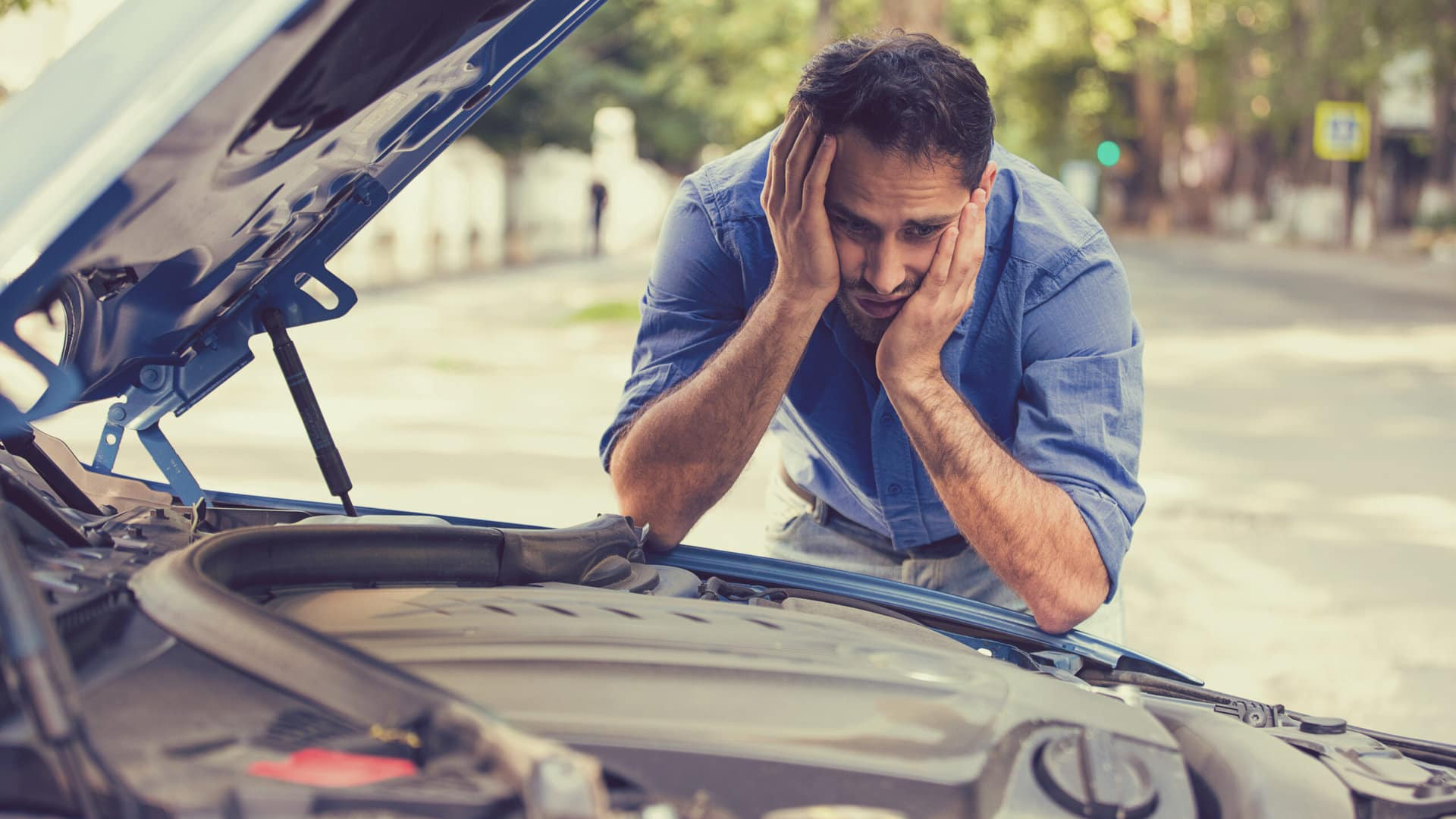
A car that refuses to start after sitting for several hours, days, or even weeks can be frustrating, especially when everything seemed fine the last time you drove it. You turn the key or press the start button and get nothing—or perhaps you hear a click, the engine cranks slowly, or the engine turns over but never actually starts.
A vehicle that won't start after sitting is often dealing with a battery or electrical issue, but the battery is not the only possible cause. Fuel problems, ignition issues, starter problems, extreme temperatures, and mechanical faults can also prevent an engine from starting.
The good news is that a few simple observations can help narrow down the problem. This guide explains the most common reasons a car won't start after sitting, what you can safely check yourself, when a jump-start may help, and when it is better to call for professional roadside assistance or towing.
Why a Car May Not Start After Sitting
A vehicle needs several systems to work together before the engine can run. The battery must provide sufficient electrical power, the starter must crank the engine, fuel must reach the engine, and the ignition and engine-management systems must operate correctly.
If the car has been sitting, certain problems become more likely.
A Weak or Dead Battery
A weak battery is one of the most common reasons a car won't start after sitting.
Even when the engine is off, some vehicle systems continue to use a small amount of electricity. Modern vehicles may power security systems, computers, clocks, keyless-entry systems, and other electronics while parked.
A healthy battery should normally retain enough charge to start the vehicle, but a battery that is already aging or partially discharged may lose enough power during extended parking to prevent the engine from starting.
You may notice:
Dim headlights or interior lights
Slow electrical accessories
A clicking sound when starting
A slow or weak engine crank
No response when pressing the start button
Electronics that shut off when you try to start the vehicle
A jump-start may restore enough power to get the engine running, but if the battery repeatedly goes dead, you should watch for signs your car battery may fail before it leaves you completely stranded.
The Battery Is Discharged by Something Else
Sometimes the battery itself is not the original problem.
A light left on, an accessory plugged into a power outlet, an aftermarket electronic device, or an electrical fault can gradually drain the battery while the vehicle is parked. This is known as a parasitic drain.
If your car starts normally after a jump but becomes difficult to start again after sitting overnight or for a few days, learn what causes a car battery to die to determine if the battery or an electrical drain is at fault.
Extreme Temperatures Affect Battery Performance
Temperature can make an existing battery problem more noticeable.
Very cold weather can reduce a battery's ability to deliver starting power, while high temperatures can accelerate battery wear over time. Understanding how weather conditions increase the need for assistance helps explain why a battery that was already weak may suddenly struggle after sitting outside overnight.
The Engine Cranks but Does Not Start
There is an important difference between an engine that does not crank and an engine that cranks but does not start.
If you hear the engine turning over normally but it never actually starts, the problem may involve fuel delivery, ignition, air intake, sensors, or another engine-management component.
Possible causes include:
Low or contaminated fuel
A fuel pump problem
A failed ignition component
A faulty sensor
A problem with the engine-control system
A damaged timing component
A jump-start generally will not solve these problems if the battery already has enough power to crank the engine normally.
Fuel Problems
A car cannot run without the correct amount of fuel reaching the engine.
An obvious possibility is an empty fuel tank. The fuel gauge may also be inaccurate in some situations, especially if the vehicle is parked on an incline. Older fuel or contaminated fuel can create additional problems, particularly when a vehicle has been sitting for a long period.
If you suspect you have simply run out of gas, utilizing fuel delivery may be more appropriate than towing. If the vehicle has fuel but still will not start, know how to tell running out of gas vs a mechanical breakdown to identify what is actually wrong.
What to Check When Your Car Won’t Start
Before repeatedly trying to start the vehicle, pay attention to what happens when you turn the key or press the ignition button.
Step 1: Check What the Vehicle Is Doing
Ask yourself three basic questions:
Do the dashboard lights turn on?
Does the engine crank?
What sound do you hear when you attempt to start it?
These observations can provide useful clues. If there are no lights and no electrical response, the battery or electrical system may be completely discharged. If the dashboard works but you hear a single click or repeated clicking, the battery or starting system may need attention. If the engine cranks at normal speed but does not start, the issue may be related to fuel, ignition, air, sensors, or engine management.
Step 2: Check the Fuel Level
It sounds obvious, but check the fuel gauge before assuming there is a mechanical failure.
If the vehicle has run out of fuel, avoid repeatedly attempting to start the engine. Understanding how emergency fuel delivery works can save you time and prevent unnecessary starting attempts.
Step 3: Check the Gear Selector
For an automatic transmission, make sure the vehicle is firmly in Park.
If it still does not start, try shifting to Neutral and attempting to start it while keeping your foot firmly on the brake. A problem with the park/neutral safety switch can sometimes prevent starting.
Do not attempt this if doing so would create a safety risk or if you are unfamiliar with the vehicle's starting procedure.
Step 4: Check the Key or Key Fob
Modern vehicles may refuse to start if the key fob battery is weak or the vehicle does not recognize the key.
If your vehicle has a backup starting procedure, consult the owner's manual. Some models allow the key fob to be placed in a specific location so the vehicle can detect it even when the fob battery is weak.
Step 5: Look for Warning Signs
Pay attention to dashboard warning lights and messages. A battery warning, security-system message, check-engine light, or other warning can provide additional information about what may be happening.
Do not ignore unusual smells, smoke, leaking fluids, or strange mechanical noises. Knowing what causes unexpected vehicle breakdowns can help you decide when to stop trying to start the car.
Can a Jump-Start Fix a Car That Won’t Start After Sitting?
A jump-start can help when the battery is discharged but the rest of the starting system is functioning properly.
For example, imagine a car has been parked for five days. The owner returns, unlocks the vehicle, and notices that the interior lights are very dim. When they press the start button, the engine barely turns or produces a clicking sound. That situation is consistent with a low battery, and a professional jump start can provide enough power to start the engine.
However, a jump-start is not a universal fix. If the engine cranks normally but does not start, the problem may not be the battery. Likewise, if the battery repeatedly loses its charge, simply jump-starting the vehicle without identifying the cause may leave you stranded again.
When You Should Not Keep Trying to Start the Car
Stop repeated starting attempts if you notice:
Smoke
Burning electrical smells
Fuel smells
Significant fluid leaks
Loud or unusual mechanical noises
Signs of overheating
Severe engine damage
A vehicle that is positioned somewhere unsafe
Repeatedly cranking an engine with a serious underlying problem may not solve anything and can make a roadside situation more stressful.
What If the Car Starts After a Jump?
If the car starts after receiving a jump, do not automatically assume the problem is solved. Understanding what happens during a professional battery jump start can help you determine if your system is functioning properly.
The battery may have been discharged because:
The vehicle was left with an electrical accessory running
The battery is reaching the end of its service life
The charging system is not working correctly
An electrical component is draining power while parked
The vehicle simply sat unused for an extended period
If the vehicle shuts off shortly after the jump-start, struggles to restart later, or repeatedly needs another jump, professional inspection is a sensible next step. A working charging system should replenish the battery while the engine is running. If it cannot do that properly, the vehicle may become disabled again.
Car Won’t Start After Sitting for a Week or Longer
A vehicle that has been parked for an extended period can develop different problems from one that sat overnight.
The battery may gradually discharge. Tires may lose some pressure. Fuel-related issues can become more relevant, and moisture or environmental exposure can affect certain components.
Before leaving a vehicle parked for a long period, consider:
Checking the battery condition
Making sure lights and accessories are switched off
Checking tire pressure
Parking in a safe, dry location when possible
Following the manufacturer's recommendations for long-term storage
Having the vehicle inspected if it has been sitting for an unusually long time
If the vehicle is already disabled after extended storage, avoid assuming that a dead battery is the only issue.
What to Do If Your Car Won’t Start in a Dangerous Location
A no-start problem is more serious when the vehicle is stopped on a busy road, shoulder, intersection, or poorly lit area. Your first priority should be safety, not diagnosing the engine.
Turn on the hazard lights if the vehicle has electrical power. Reviewing these safety tips for drivers experiencing a breakdown can keep you safe on busy roads. If you can safely move the vehicle to a more secure location without creating additional risk, do so. Otherwise, remain in a safe position away from moving traffic when possible.
Do not stand behind or directly beside a disabled vehicle in an active traffic lane while trying to repair it.
If the vehicle cannot be safely driven, roadside assistance or emergency towing may be the appropriate choice. Professional assistance can help determine whether the situation calls for a jump-start, fuel delivery, vehicle recovery, or towing.
When a No-Start Problem Requires Towing
Some vehicles simply need a battery boost. Others need to be transported to a repair facility.
Towing is generally worth considering when:
The engine will not start after a proper jump-start
The vehicle has a suspected mechanical failure
The starter appears to have failed
There is significant fluid leakage
The vehicle was involved in an accident
The engine makes severe or unusual noises
The vehicle cannot be driven safely
You are stranded in an unsafe location
The vehicle needs professional diagnosis or repair
A professional towing provider can also be useful when you are unsure whether the vehicle is safe to drive. In many cases, using a flatbed towing service is the safest way to transport a disabled vehicle without causing further drive-train damage.
For drivers in the Columbus and Central Ohio area, Casper Towing Ohio offers reliable assistance. You can learn more about us or contact us directly for emergency towing, roadside assistance, jump-start service, flatbed towing, fuel delivery, vehicle recovery, tire changes, and accident recovery services.
Common Mistakes to Avoid
A no-start situation can tempt drivers to experiment. Some troubleshooting is reasonable, but certain mistakes can create additional problems.
Repeatedly Cranking the Engine
Holding the ignition for long periods and repeatedly trying to start a vehicle will not fix a failed starter, fuel pump, or major engine problem.
If the vehicle is clearly not responding, stop and assess the symptoms.
Assuming Every No-Start Problem Is the Battery
A battery is a common suspect, but it is not the only one.
The distinction between "the engine does not crank" and "the engine cranks but does not start" can be extremely useful when explaining the problem to a mechanic or roadside technician.
Driving a Vehicle That Is Not Safe
If the vehicle starts after a jump but has warning lights, severe noises, overheating, major fluid leaks, or other serious symptoms, do not assume it is safe to drive.
A short drive can potentially turn a manageable repair into a more serious breakdown.
Attempting Repairs Beside Fast-Moving Traffic
Roadside repairs can expose you to passing vehicles. If the location is dangerous, professional roadside assistance is often a better option than attempting a complicated repair yourself.
How to Reduce the Chances of a No-Start Situation
Preventive maintenance cannot eliminate every breakdown, but following a guide on how to reduce the risk can help prevent avoidable roadside emergencies.
Pay attention to signs of a weakening battery, especially slow cranking or dim electrical components. Have the battery and charging system checked if starting performance changes.
Keep your fuel level at a reasonable level, especially before long trips or when traveling through unfamiliar areas.
Follow the vehicle manufacturer's maintenance schedule. Oil changes, inspections, battery checks, fluid maintenance, and other recommended services can help identify developing problems before they become roadside emergencies.
It is also smart to keep basic emergency supplies in the vehicle, including a flashlight, phone charger, reflective gear, and other items appropriate for your driving conditions. Having a trusted towing company saved in your phone ensures you get help fast when unexpected breakdowns happen.
A Simple No-Start Decision Guide
When your car won't start after sitting, use this basic process:
Check for obvious electrical power. Are the dashboard and interior lights working?
Listen carefully. Is there silence, clicking, slow cranking, or normal cranking?
Check the fuel level.
Confirm the transmission is in Park or Neutral.
Check the key fob or immobilizer system.
Look for smoke, leaks, unusual smells, or warning messages.
Consider a jump-start if the symptoms strongly suggest a discharged battery.
Stop troubleshooting if the situation appears unsafe or mechanically serious.
Call roadside assistance if the problem cannot be safely resolved.
Arrange towing if the vehicle cannot be driven safely.
This approach helps separate a potentially simple roadside issue from a situation that needs professional vehicle transport.
Conclusion
A car that won't start after sitting does not automatically mean the engine has a major problem. A discharged battery, electrical drain, extreme temperature, fuel issue, key problem, starter fault, or mechanical failure can all produce no-start symptoms.
Start by identifying what the vehicle actually does when you attempt to start it. A completely dead electrical system points you in a different direction than an engine that cranks normally but refuses to run.
If a jump-start solves the problem, pay attention to whether the issue returns. Repeated dead batteries can indicate a battery that needs replacement, a charging-system problem, or an electrical drain that should be diagnosed.
Most importantly, do not put yourself at unnecessary risk trying to repair a disabled vehicle in traffic or an unsafe location. When the vehicle cannot be started, cannot be driven safely, or needs professional diagnosis, the role of professional towing services becomes essential to getting you and your vehicle to safety.
Frequently Asked Questions
Why won't my car start after sitting overnight?
A weak battery is one of the most common possibilities, particularly if the battery is aging or there is an electrical drain. Other causes include extreme temperatures, starter problems, fuel issues, or an ignition-system fault.
Why does my car click but not start after sitting?
Repeated clicking often points toward insufficient electrical power reaching the starter, commonly because of a weak or discharged battery. Corroded connections or a starter-related problem can also cause clicking, so the exact symptoms matter.
Why does my car crank but not start?
If the engine cranks at a normal speed but does not start, the battery may have enough power for the starting process. Possible causes include fuel delivery problems, ignition faults, sensors, or other engine-management issues.
Can a dead battery cause a car not to start after sitting?
Yes. A battery can lose enough charge while a vehicle is parked to prevent the engine from starting. Leaving lights or accessories on, battery age, extreme temperatures, and electrical drains can all contribute to a discharged battery.
How long can a car sit before the battery dies?
There is no single timeframe that applies to every vehicle. Battery condition, temperature, vehicle electronics, and electrical drain all affect how long a parked vehicle can retain enough charge to start.
Should I keep trying to start my car if it won't start?
Repeated attempts are unlikely to fix a serious mechanical or fuel-system problem. If you notice smoke, burning smells, fluid leaks, unusual noises, or other warning signs, stop trying to start the vehicle and seek professional assistance.
What should I do if my car won't start on the side of the road?
Turn on the hazard lights if possible and move to a safer location only if doing so can be done without creating additional danger. If the vehicle cannot be safely restarted or moved, contact roadside assistance and avoid standing near active traffic.
Can roadside assistance help with a car that won't start?
Yes. Depending on the symptoms, roadside assistance may include jump-start help, fuel delivery, tire changes, vehicle recovery, or towing. If the problem cannot be resolved at the roadside, the vehicle can be transported for further diagnosis.
Is it better to jump-start a car or have it towed?
It depends on the symptoms. Knowing when to call for a jump-start service is key when the battery is discharged and the vehicle otherwise appears healthy. Towing is more appropriate when the vehicle has a mechanical problem, will not restart, or cannot be driven safely.
How can I prevent my car from not starting after sitting?
Regular battery and vehicle maintenance can help reduce the risk. Keep electrical accessories switched off, monitor signs of a weak battery, maintain appropriate fuel levels, follow the manufacturer's service schedule, and address unusual starting behavior before it becomes a breakdown.
