What Happens When a Vehicle Needs Recovery Instead of a Simple Tow?
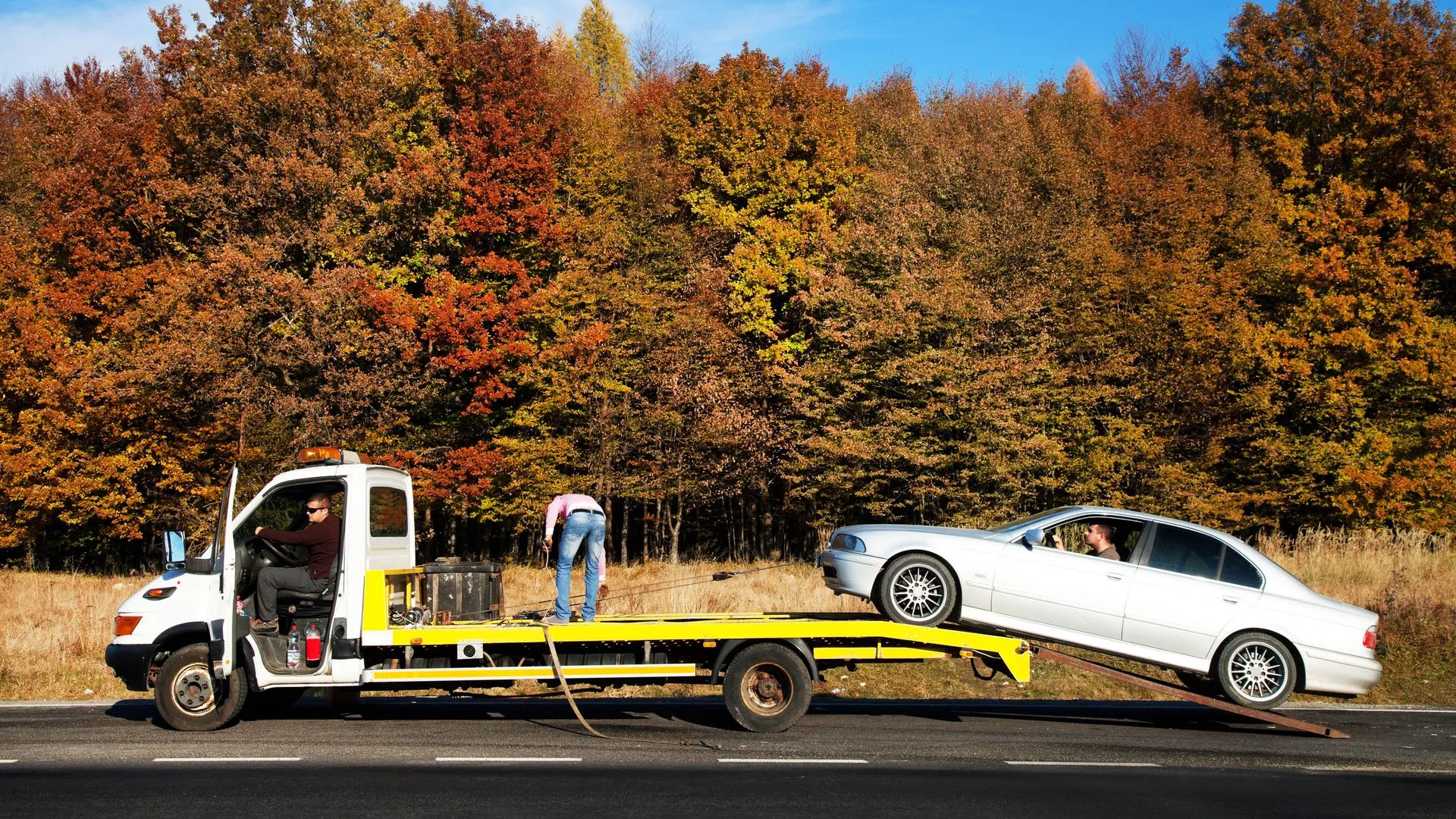
A vehicle that needs roadside help does not always need a simple tow. If a car, truck, SUV, or other vehicle has gone off the road, become stuck, rolled onto its side, suffered major accident damage, or ended up in a difficult position, the situation may require vehicle recovery rather than ordinary towing.
The difference matters because recovery is about more than transporting a vehicle from one location to another. It involves safely accessing the vehicle, stabilizing it when necessary, removing it from a difficult position, and then transporting it once it is ready to move.
For Ohio drivers, understanding the difference can make an already stressful breakdown or accident easier to manage. Knowing what information to give a towing company, what equipment may be needed, and what to expect during a recovery can also help prevent additional vehicle damage and unnecessary delays.
What Is Vehicle Recovery?
Vehicle recovery is the process of safely retrieving a vehicle that cannot simply be hooked up and towed away under normal conditions.
A standard tow is generally straightforward. The vehicle is accessible, positioned on a usable surface, and can be loaded or connected to towing equipment without extensive recovery work.
Recovery becomes necessary when the vehicle is stuck, inaccessible, damaged, overturned, off the roadway, or otherwise difficult to move.
Towing vs. Vehicle Recovery
The easiest way to understand the difference is to look at the vehicle's position and condition.
A typical tow might involve:
A vehicle parked on the roadside with a mechanical problem
A car that will not start but is safely accessible
A vehicle that needs transportation to a repair shop
A disabled car that can be loaded onto a flatbed
Vehicle recovery may involve:
A vehicle that has left the roadway
A car stuck in mud, snow, or soft ground
A vehicle involved in an accident
A vehicle that has slid into a ditch
A vehicle that has tipped or overturned
A damaged vehicle that cannot roll normally
A vehicle positioned where standard towing equipment cannot safely reach it
The main distinction is access and extraction. A tow moves an accessible vehicle. Recovery may first require getting the vehicle into a position where it can be safely towed.
Why Would a Vehicle Need Recovery Instead of a Tow?
Several situations can turn a normal towing request into a recovery job.
The Vehicle Has Gone Into a Ditch
A car that leaves the roadway and enters a ditch may be difficult to access with a standard tow truck.
The angle of the vehicle, depth of the ditch, surrounding terrain, and condition of the vehicle can all affect the recovery process. Pulling the vehicle without considering these factors could cause additional damage.
A recovery operator may need to stabilize the vehicle and use specialized equipment to bring it back onto a safe surface before transporting it.
The Vehicle Is Stuck in Mud, Snow, or Soft Ground
A vehicle does not have to be severely damaged to require recovery.
A vehicle can become deeply stuck after driving onto:
Muddy ground
Soft shoulders
Deep snow
Loose gravel
Uneven terrain
Wet grass
Construction areas
Spinning the tires repeatedly can make the situation worse by digging the vehicle deeper into the surface.
Depending on the circumstances, recovery equipment may be used to carefully free the vehicle without placing unnecessary strain on its drivetrain, suspension, or body.
The Vehicle Was Involved in a Collision
Accident scenes often create recovery challenges that do not exist during ordinary breakdowns.
A damaged vehicle may have:
A bent wheel
Damaged suspension
Broken steering components
Flat or missing tires
Body panels hanging loose
Fluid leaks
A locked or damaged drivetrain
Significant structural damage
A vehicle that cannot roll, steer, or be safely loaded may require recovery equipment before it can be transported.
The Vehicle Has Rolled Over
An overturned vehicle requires particular care.
The first priority at an accident scene is always the safety of people involved. Emergency services should be contacted when anyone is injured, the roadway is dangerous, or there is an immediate safety concern.
Once the scene is safe and the vehicle needs to be removed, recovery may involve stabilizing and repositioning the vehicle before transportation.
What Happens During a Vehicle Recovery?
The exact process depends on the vehicle, terrain, damage, and location. A professional recovery generally begins with an assessment rather than immediately pulling on the vehicle.
Step 1: The Situation Is Assessed
The recovery operator needs to understand what happened and where the vehicle is located.
Important factors include:
Vehicle type and approximate size
Vehicle position
Road and terrain conditions
Whether the vehicle is damaged
Whether the wheels can roll
Whether the steering works
Whether the vehicle is upright
How accessible the vehicle is
Whether other vehicles, structures, or objects are nearby
This assessment helps determine what equipment and recovery approach are appropriate.
Step 2: The Vehicle and Area Are Stabilized
If the vehicle is in an unstable position, it may need to be secured before it is moved.
This is especially relevant after collisions, rollovers, or ditch incidents. A controlled recovery reduces the risk of unexpected movement during extraction.
The surrounding area also matters. Traffic, slopes, obstacles, and road conditions can affect how the recovery should be performed.
Step 3: Recovery Equipment Is Selected
The equipment depends on the recovery situation.
Depending on the circumstances, a recovery operation may involve equipment designed for:
Winching
Pulling
Stabilization
Vehicle repositioning
Loading
Transportation
The goal is not simply to use the strongest available equipment. The equipment must be appropriate for the vehicle, its condition, and the environment.
Step 4: The Vehicle Is Carefully Extracted
The vehicle is gradually moved from its difficult position.
For example, a vehicle in a ditch may need to be pulled toward the roadway at a controlled angle. A vehicle stuck in mud may require careful traction and winching rather than repeated attempts to drive out.
A damaged vehicle may need to be positioned before it can be loaded onto a carrier.
Step 5: The Vehicle Is Prepared for Transportation
Once the vehicle is safely accessible, the recovery may transition into a conventional towing operation.
The vehicle may be loaded onto a flatbed or secured using appropriate towing equipment based on its condition and transportation needs.
The destination could be a repair facility, residence, body shop, storage location, or another appropriate location.
What Equipment May Be Used for Vehicle Recovery?
Vehicle recovery does not rely on one universal piece of equipment. The setup depends on the circumstances.
Winching Equipment
A winch can help pull a vehicle from a difficult position when it cannot move under its own power.
Winching may be useful for vehicles stuck in mud, ditches, soft ground, or other situations where the vehicle needs controlled pulling assistance.
Flatbed Tow Trucks
A flatbed can be particularly useful after recovery because the vehicle can be transported without relying on its damaged wheels to roll normally.
Flatbed transportation may also be appropriate for certain vehicles where keeping all four wheels off the road is preferable.
Wheel-Lift Equipment
Wheel-lift systems can raise part of a vehicle for transportation when the vehicle's condition and circumstances allow.
The appropriate method depends on factors such as drivetrain configuration, vehicle damage, steering condition, and manufacturer considerations.
Recovery and Securing Equipment
Recovery may also require straps, chains, attachment equipment, and other tools designed to stabilize and secure a vehicle during extraction and transport.
The equipment used should match the recovery situation rather than being selected simply because it is available.
What Should You Tell a Towing Company When You Need Recovery?
Good information can help a recovery operator prepare before arriving.
Instead of simply saying, "I need a tow," explain what happened.
Give the Vehicle's Exact Location
Provide the road, nearest intersection, highway marker, business, landmark, or other useful location details.
If the vehicle is off the roadway, explain where it is in relation to the road.
For example:
"My SUV left the roadway and is about 20 feet down a shallow ditch."
That description is much more useful than simply saying the vehicle is on the side of the road.
Explain the Vehicle's Condition
Tell the operator whether:
The vehicle starts
The wheels turn
The tires are intact
The vehicle can roll
The vehicle is damaged
The vehicle is stuck
The vehicle is overturned
The vehicle is partially off the roadway
Photos can also be helpful if it is safe to take them.
Mention Terrain and Access Problems
If the vehicle is stuck in mud, snow, soft ground, a ditch, or another difficult area, say so.
Also mention obstacles such as narrow access points, fences, steep slopes, parking structures, or other conditions that could affect vehicle access.
Explain Whether an Accident Was Involved
If there was a collision, tell the towing provider.
Accident damage can significantly change how a vehicle should be moved and loaded.
Is Recovery More Complicated Than a Normal Tow?
Usually, yes.
A standard tow may involve connecting the vehicle to the truck and transporting it. Recovery can involve assessment, stabilization, extraction, repositioning, and then towing.
That does not mean every recovery is a major operation. Some stuck vehicles can be freed relatively quickly, while others require more careful planning.
The complexity depends on the specific situation.
What Can Make Vehicle Recovery More Difficult?
Several factors can affect the difficulty of a recovery.
Vehicle Damage
A damaged vehicle may not respond normally to steering, braking, or rolling. Broken suspension components or damaged wheels can make loading more complicated.
Vehicle Weight
A compact car and a large truck do not present the same recovery requirements. Vehicle size and weight influence equipment selection and recovery methods.
Terrain
Flat pavement is generally easier to work with than a muddy ditch, steep embankment, snow-covered shoulder, or uneven ground.
Vehicle Position
A vehicle sitting upright and facing the correct direction is different from one resting sideways, partially overturned, or positioned at an unusual angle.
Weather and Visibility
Rain, snow, ice, darkness, and poor visibility can make an already difficult recovery more challenging.
Common Misconceptions About Vehicle Recovery
Understanding what recovery actually involves can prevent unrealistic expectations.
"If the Vehicle Is Stuck, I Can Just Keep Driving It Out."
Not necessarily.
Repeatedly spinning the tires can dig the vehicle deeper and may place additional stress on tires, drivetrain components, or the surrounding ground.
If the vehicle is deeply stuck, stopping and requesting appropriate assistance may be the safer choice.
"Every Tow Truck Can Handle Every Recovery."
Different vehicles and situations require different equipment and techniques.
A recovery involving a passenger car in a shallow ditch may be very different from recovering a heavily damaged vehicle or a larger vehicle from difficult terrain.
"Recovery Always Means the Vehicle Is Severely Damaged."
Not at all.
A perfectly functional vehicle can require recovery simply because it is stuck in mud, snow, soft ground, or a ditch.
The need for recovery is determined by the vehicle's position and accessibility, not only by mechanical damage.
How Can Drivers Stay Safe While Waiting for Recovery?
Your safety should come before the vehicle.
If you break down or are involved in an accident, move to a safe location when possible and appropriate. Turn on hazard lights and remain aware of surrounding traffic.
If you are on or near a highway, do not stand unnecessarily close to moving traffic or attempt your own roadside recovery in an unsafe location. Read these safety tips for drivers to stay secure while waiting.
If there is an injury, fire, immediate danger, or serious collision, contact emergency services first.
Once the situation is safe, provide the recovery provider with accurate location and vehicle information.
When Should You Request Recovery Instead of a Regular Tow?
You should explain the situation and let the towing professional determine the appropriate recovery approach.
Recovery may be appropriate when the vehicle:
Is stuck and cannot move
Has left the roadway
Is in a ditch
Is deeply embedded in mud or snow
Has been involved in an accident
Cannot roll because of damage
Is overturned or resting at an unusual angle
Is located somewhere a standard tow truck cannot easily access
If you are uncertain, describe the situation rather than trying to choose the service yourself.
Practical Examples
Practical Example: A Car in a Ditch
Imagine an Ohio driver loses control during poor road conditions and the vehicle slides into a ditch.
The car is upright, but its front end is lower than the roadway and the wheels cannot gain enough traction to climb back up.
A standard tow may not be the best first step. The recovery operator can assess the vehicle, determine how it is positioned, select appropriate recovery equipment, and carefully bring the vehicle back to a suitable surface.
After extraction, the vehicle can be inspected for visible damage and transported if necessary.
The important point is that the recovery happens before the conventional tow.
Practical Example: A Vehicle That Cannot Roll After an Accident
Consider a vehicle involved in a collision where one wheel or suspension component is badly damaged.
The vehicle may technically be located on the roadway, but it cannot safely roll onto a tow truck under its own wheels.
In this situation, the operator must consider how to move the damaged vehicle without making the existing damage worse. Appropriate loading and securing equipment may be needed before the vehicle can be transported.
This is another example of why a simple "tow" and a recovery situation are not always the same thing.
How to Prepare for a Vehicle Recovery
Drivers cannot predict every breakdown or accident, but a few habits can make roadside situations easier.
Keep your phone charged when traveling, know your vehicle's approximate weight and type, and keep important roadside assistance information accessible.
If an incident occurs, gather the following information when it is safe:
Exact vehicle location
Vehicle make, model, and approximate size
Description of the problem
Whether the vehicle starts
Whether the wheels roll and steer
Whether an accident occurred
Terrain or access problems
Your intended destination, if transportation is needed
Clear information helps the towing provider understand what kind of assistance may be required.
What Makes a Good Vehicle Recovery Service?
A reliable recovery service should approach each situation based on the actual condition and position of the vehicle.
Good recovery practices include careful assessment, appropriate equipment selection, controlled extraction, proper vehicle securing, and clear communication with the driver.
For Ohio motorists, choosing a towing and roadside assistance provider that handles both routine towing and more difficult recovery situations can be useful when circumstances are unpredictable.
Casper Towing Ohio provides towing and roadside assistance for drivers who need help with vehicle breakdowns, transportation, and recovery-related situations across Ohio.
The right service should focus on getting the vehicle moved safely rather than rushing into a recovery method that does not fit the situation.
Conclusion
A vehicle recovery is different from a simple tow because the vehicle first has to be retrieved, extracted, repositioned, or stabilized before it can be transported.
A car sitting safely on pavement with a dead battery may only need a straightforward roadside service or tow. A vehicle in a ditch, stuck in mud, damaged after a collision, or unable to roll may require a more involved recovery process.
If your vehicle is in a difficult position, avoid making the situation worse by repeatedly trying to drive or pull it out yourself. Give the towing provider accurate information about the vehicle's location, condition, damage, and surroundings so the right recovery approach can be considered.
Knowing the difference between towing and recovery helps drivers make better decisions during stressful roadside situations—and, most importantly, helps keep people and vehicles safer during the process.
Frequently Asked Questions
What is the difference between towing and vehicle recovery?
Towing generally involves transporting an accessible vehicle from one location to another. Vehicle recovery involves first extracting, repositioning, or stabilizing a vehicle that is stuck, damaged, overturned, off the roadway, or otherwise difficult to access.
When does a vehicle need recovery instead of a tow?
A vehicle may need recovery when it is stuck in mud or snow, has entered a ditch, has left the roadway, is damaged after an accident, cannot roll normally, or is positioned where standard towing equipment cannot safely access it.
Can a tow truck recover a vehicle from a ditch?
Depending on the vehicle, terrain, depth of the ditch, and available equipment, a towing provider may be able to recover a vehicle from a ditch. The operator should assess the situation before deciding how the vehicle can be safely extracted.
Can a vehicle stuck in mud be recovered?
Yes, many vehicles stuck in mud can be recovered with appropriate equipment and technique. Drivers should avoid repeatedly spinning the tires because this can make the vehicle more deeply embedded and potentially increase the difficulty of recovery.
Does accident damage affect how a vehicle is towed?
Yes. Damage to wheels, tires, steering, suspension, or other components can affect how a vehicle should be moved and loaded. The towing professional needs to know about accident damage so the appropriate recovery and transportation method can be considered.
Is vehicle recovery more expensive than a normal tow?
Recovery can cost more than a straightforward tow because it may require additional equipment, time, labor, or specialized procedures. The actual price depends on factors such as location, vehicle condition, terrain, distance, and the complexity of the recovery.
What should I do if my vehicle leaves the roadway?
Prioritize personal safety, turn on hazard lights when appropriate, and stay away from moving traffic. If there is an injury or immediate danger, contact emergency services. When requesting roadside assistance, provide the exact location and explain that the vehicle is off the roadway.
Can a damaged vehicle be transported on a flatbed?
A flatbed may be an appropriate transportation method for certain damaged vehicles, particularly when the vehicle cannot safely roll or when keeping all wheels off the road is preferable. The appropriate method depends on the vehicle's condition and the recovery circumstances.
Should I try to pull my stuck vehicle out myself?
It is generally safer to avoid improvised recovery attempts when the vehicle is deeply stuck, near traffic, on a steep slope, or damaged. Incorrect pulling techniques can cause additional vehicle damage or create a safety hazard. Professional recovery assistance may be the better option.
What information should I provide when requesting vehicle recovery?
Provide your exact location, vehicle make and model, description of the problem, whether the vehicle starts and rolls, any accident damage, and details about the surrounding terrain. Mentioning a ditch, mud, snow, steep area, or limited access can help the provider prepare appropriately.