Vehicle Recovery for Difficult Locations: What Drivers Should Know
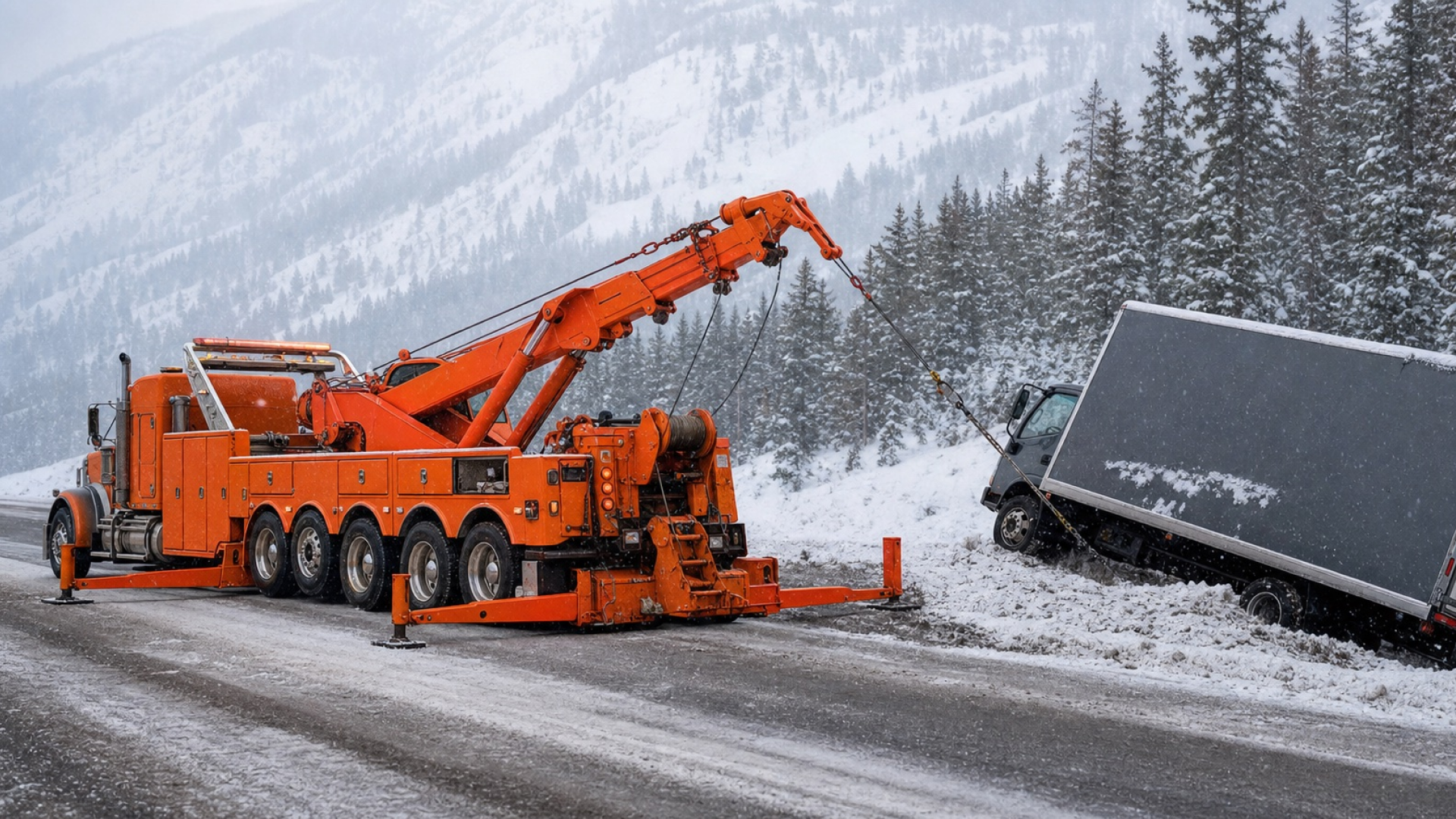
Introduction
A vehicle breakdown is stressful enough on a normal road. The situation becomes much more complicated when a car, truck, SUV, or other vehicle gets stuck somewhere a standard tow truck cannot easily reach. Soft shoulders, muddy ground, steep driveways, ditches, narrow roads, construction areas, parking structures, and remote locations can all turn a simple tow into a vehicle recovery job.
Vehicle recovery is different from ordinary towing because the vehicle may first need to be safely accessed, stabilized, pulled out, or repositioned before it can be transported. The recovery process depends on the vehicle's condition, its location, the surrounding terrain, and the equipment available to the recovery operator.
For Ohio drivers, knowing what to do before help arrives can make the situation safer and help the towing professional determine the right recovery approach. A little information about the location and vehicle can also prevent unnecessary delays.
What Is Vehicle Recovery?
Vehicle recovery is the process of safely retrieving a vehicle that is stuck, immobilized, damaged, or located somewhere that makes conventional towing difficult.
A routine tow usually involves a vehicle that is accessible and can be connected to towing equipment without significant obstacles. Recovery may require additional steps because the vehicle cannot simply be hooked up and driven away.
Examples of Vehicle Recovery Situations
Examples include a vehicle that has:
Slid into a roadside ditch
Become stuck in mud, sand, or soft ground
Left the paved portion of a road
Been involved in an accident
Become disabled in a difficult parking area
Rolled or shifted into an awkward position
Become stuck on a steep driveway
Been stranded on a narrow or hard-to-access road
Lost traction on snow or ice
Become immobilized at a construction or rural location
The objective is not simply to pull the vehicle out. A professional recovery should account for the vehicle's condition, the terrain, nearby people and property, and the safest way to reposition or transport the vehicle.
Recovery vs. Standard Towing
Standard towing and vehicle recovery often overlap, but they are not identical.
A normal tow might involve a disabled vehicle sitting on a paved street with enough room for a tow truck to approach. The vehicle can usually be loaded or connected without first removing obstacles.
Recovery involves an additional challenge. The vehicle may need to be extracted before it can be towed.
For example, imagine a driver loses control during heavy rain and the vehicle slides several feet into a muddy roadside ditch. The car may still be mechanically intact, but its position prevents a tow truck from simply loading it. Recovery equipment and careful positioning may be needed before transportation can begin.
Why Difficult Locations Require Specialized Recovery
The location of a disabled vehicle can have a major effect on the recovery process. A tow truck needs adequate access, stable positioning, and enough working space to perform the job safely.
A vehicle sitting on a narrow rural road presents different challenges from one stuck in a muddy field. A vehicle damaged in an accident may require even more care because steering, suspension, wheels, or other components could be compromised.
Common Difficult Recovery Locations
Some locations frequently create additional recovery challenges:
Roadside Ditches
A vehicle that leaves the roadway and enters a ditch may sit at an unusual angle. The slope can make access difficult, while soft soil may reduce traction for both the disabled vehicle and recovery equipment.
Muddy or Soft Ground
Rain can quickly change the condition of a roadside, field, construction site, or unpaved driveway. A vehicle that initially drove onto the surface without difficulty may become deeply stuck after the ground becomes saturated.
Steep Driveways and Hills
Gravity becomes a major factor when a vehicle is disabled on a steep slope. The recovery operator must consider the vehicle's position and the available approach before attempting to move it.
Narrow Roads
Limited road width can make it difficult for a recovery truck to position itself properly. Nearby traffic, parked vehicles, trees, fences, and other obstacles can further restrict access.
Accident Scenes
Collision-damaged vehicles may not be able to roll normally. A damaged wheel, suspension component, steering system, or body panel can affect how the vehicle should be moved.
Remote or Rural Areas
Poor cell coverage, unmarked roads, private lanes, and unclear landmarks can make it harder for a driver and towing company to locate one another.
What Drivers Should Do Before Calling for Recovery
Safety should come before worrying about the vehicle.
If the vehicle is in a dangerous position, move yourself and your passengers to a safer location when possible. If you are on or near an active roadway, be especially cautious around passing traffic.
Once everyone is safe, collect useful information for the towing professional.
Identify Your Exact Location
Give the towing company as much location information as possible.
Useful details include:
Road name and direction of travel
Nearest intersection
Highway exit number
Mile marker, when available
Nearby business or recognizable landmark
Driveway or property description
GPS location from your phone
Description of the vehicle's position
If the vehicle is off-road, explain exactly how far it is from the roadway and what the surrounding terrain looks like.
Describe What Happened
Explain how the vehicle became stuck or disabled.
For example, saying "My SUV is stuck" provides limited information. A more useful description would be, "The SUV slid off the paved road into a muddy ditch, and the front wheels are lower than the rear."
This helps the recovery operator understand what equipment and approach may be appropriate.
Explain the Vehicle's Condition
Tell the towing company whether the vehicle can:
Start
Move under its own power
Roll freely
Steer
Brake
Shift into neutral
Turn its wheels
If the vehicle has been involved in a collision, mention visible damage. Do not attempt to force a damaged vehicle to move simply to make recovery easier.
How Professional Vehicle Recovery Typically Works
Every recovery is different, but the process usually begins with assessment rather than immediately pulling the vehicle.
Step 1: Assess the Scene
The recovery operator evaluates the vehicle, terrain, access points, traffic conditions, and potential obstacles.
The operator may determine where the recovery vehicle can safely position itself and what approach will minimize unnecessary stress on the disabled vehicle.
Step 2: Determine the Recovery Method
The appropriate technique depends on the situation.
A recovery may involve towing equipment designed for pulling or repositioning a vehicle, winching equipment, specialized towing equipment, or other appropriate methods.
The operator chooses the method based on the vehicle's position and condition rather than using the same approach for every situation.
Step 3: Stabilize and Recover the Vehicle
The vehicle may need to be carefully repositioned before it can be loaded or towed.
This stage requires controlled movement. Pulling too aggressively or from an unsuitable attachment point can create additional damage or make the situation less stable.
Step 4: Load or Reposition the Vehicle
Once the vehicle has been recovered to a suitable position, it can be prepared for transportation if towing is required.
The operator should consider the vehicle's drivetrain, steering, wheels, suspension, and visible damage when determining how it should be moved.
Step 5: Transport to the Appropriate Destination
After recovery, the vehicle may be transported to a repair shop, dealership, residence, storage facility, or another requested destination, depending on the service available and the driver's needs.
Situations Where Drivers Should Not Attempt DIY Recovery
A stuck vehicle can tempt drivers to solve the problem themselves. In simple circumstances, basic roadside assistance may be enough. Difficult recoveries are different.
Trying to pull a vehicle with an unsuitable strap, another passenger vehicle, or improvised equipment can create serious risks.
Avoid Pulling From the Wrong Point
Modern vehicles contain many components that are not designed to serve as recovery attachment points. Attaching equipment to the wrong component can cause mechanical or structural damage.
If you do not know the manufacturer's designated recovery point, avoid guessing.
Avoid Standing Near Tensioned Equipment
Recovery equipment can store significant energy while under tension. Drivers and passengers should stay clear of recovery equipment during an active recovery attempt.
The safest approach is to let trained personnel handle equipment placement and vehicle extraction.
Do Not Keep Spinning the Tires
If a vehicle is stuck in mud or soft ground, repeatedly accelerating can dig the tires deeper. It can also increase the difficulty of the recovery.
If the vehicle is clearly unable to move, stop trying and request appropriate assistance.
Information to Give a Towing Company
Good information can help a recovery operator prepare before arriving.
When requesting difficult-location vehicle recovery, be ready to provide:
Your current location.
The type of vehicle.
Whether the vehicle starts.
Whether the vehicle can roll.
Whether the steering works.
Whether the vehicle is in neutral.
Whether there is visible accident damage.
The type of terrain.
How far the vehicle is from an accessible road.
Any obstacles surrounding the vehicle.
Photos can also be useful if it is safe to take them. A clear image of the vehicle and surrounding area may give the towing professional a better understanding of the situation.
How Weather Can Affect Vehicle Recovery
Ohio weather can change roadside conditions quickly. Rain, snow, ice, and freezing temperatures can all affect vehicle recovery.
Wet ground may become soft enough for tires to sink. Snow can hide ditches, curbs, rocks, and other obstacles. Ice can reduce traction and make slopes significantly more difficult to handle.
Recovery After Snow or Ice
If a vehicle slides into a ditch during winter weather, avoid assuming that adding more throttle will solve the problem. Spinning tires can make the vehicle harder to recover.
Tell the towing company about snow or ice conditions, especially if the vehicle is positioned on a slope or near traffic.
Recovery After Heavy Rain
Waterlogged soil can provide poor support for a vehicle. A recovery operator may need to account for the condition of the ground before positioning equipment.
This is one reason location details matter. "Off the road" does not tell the recovery professional whether the vehicle is sitting on gravel, grass, mud, or a steep embankment.
What About Accident-Damaged Vehicles?
Accident recovery requires extra caution because the vehicle may have hidden damage.
A vehicle can appear drivable while still having damage to steering, suspension, wheels, or other components. If airbags have deployed or the vehicle has significant collision damage, drivers should not assume it is safe to drive.
Tell the towing company that the vehicle was involved in a collision and describe any visible damage.
The recovery operator can then consider the safest way to access and move the vehicle.
Choosing the Right Towing and Recovery Provider
When you need difficult-location recovery, the cheapest or closest option is not necessarily the right fit. The company should understand the difference between ordinary towing and recovery situations.
Look for a provider that offers towing and roadside assistance and can discuss the situation before sending equipment.
Key Questions a Provider Should Ask
A useful provider should be willing to ask questions about:
Vehicle type
Vehicle condition
Exact location
Terrain
Accessibility
Accident damage
Desired destination
Clear communication is particularly valuable when the vehicle is somewhere difficult to reach.
How to Prepare for a Possible Vehicle Recovery
Most drivers never expect to need vehicle recovery. A small amount of preparation can still make a roadside emergency easier.
Keep your phone charged when traveling long distances. Know your vehicle's make, model, and approximate weight, and keep important roadside assistance information accessible.
If you regularly drive rural roads, unpaved routes, steep areas, or locations with severe winter conditions, understand that recovery may involve different equipment than a routine tow.
It is also helpful to know your location before calling for assistance. Your phone's map application can often provide coordinates or nearby road information.
Common Misconceptions About Vehicle Recovery
"Any Tow Truck Can Recover Any Vehicle"
Not necessarily. The equipment and approach needed depend on the vehicle and recovery conditions. A simple roadside tow and a vehicle deeply stuck in mud can require very different recovery methods.
"If the Vehicle Starts, I Can Drive It Out"
Starting does not automatically mean a vehicle is safe to drive. Accident damage, suspension problems, steering issues, or unstable terrain can make driving out dangerous.
"More Throttle Will Get the Vehicle Unstuck"
Excessive wheel spin can make certain stuck situations worse. It can dig the vehicle deeper and damage tires or other components.
"I Should Move the Vehicle Before Calling"
Do not put yourself at risk just to make the vehicle easier to access. If moving the vehicle could worsen damage or create a safety hazard, leave it where it is and explain the situation to the towing provider.
Practical Vehicle Recovery Checklist
If you are dealing with a difficult recovery situation, use this quick checklist:
Get yourself and passengers away from immediate danger.
Turn on hazard lights when appropriate.
Identify your exact location.
Determine whether the vehicle can move safely.
Do not keep spinning the tires.
Do not use improvised recovery equipment.
Tell the towing company about terrain and obstacles.
Mention accident damage or mechanical problems.
Share photos or location information when safe.
Follow the recovery professional's instructions.
These simple steps can help reduce confusion and make the recovery process more organized.
When to Request Professional Vehicle Recovery
Professional recovery is appropriate when a vehicle is stuck in a location that cannot be safely handled with ordinary roadside assistance.
That may include a vehicle in a ditch, deep mud, difficult terrain, an accident scene, a steep or restricted area, or a location where access is limited.
If you are uncertain whether the situation requires recovery or standard towing, describe the circumstances to the towing provider. The important thing is to give accurate information rather than trying to classify the problem yourself.
Conclusion
Vehicle recovery is more than simply attaching a vehicle to a tow truck. Difficult locations require careful assessment of the vehicle, terrain, access, surrounding hazards, and safest recovery method.
Drivers can make the process easier by staying in a safe location, providing precise information, describing the vehicle's condition, and avoiding risky DIY extraction attempts. Details such as whether the vehicle can roll, whether it is in a ditch, and whether the ground is muddy or icy can help a towing professional prepare for the situation.
When a vehicle is stuck somewhere a standard tow cannot easily reach, professional vehicle recovery can provide a safer path toward getting it out and transported to the appropriate destination.
Frequently Asked Questions
What is vehicle recovery?
Vehicle recovery is the process of retrieving a vehicle that is stuck, immobilized, damaged, or positioned somewhere that makes ordinary towing difficult. Recovery may involve carefully extracting or repositioning the vehicle before it can be transported.
What should I do if my car gets stuck in a ditch?
Move yourself and passengers to a safe location if possible, activate hazard lights when appropriate, and contact a towing or recovery provider. Give them your exact location and explain the vehicle's position, terrain, and condition.
Can a tow truck pull a vehicle out of mud?
A vehicle stuck in mud may require a recovery approach rather than a routine tow. The appropriate method depends on how deeply the vehicle is stuck, the terrain, available access, and the vehicle's condition.
Can a vehicle be recovered after an accident?
Yes, accident-damaged vehicles can often be recovered and transported. Because collision damage may affect steering, suspension, wheels, or other components, the vehicle should be assessed before attempting to move it.
Should I keep trying to drive a stuck vehicle out?
Usually, repeatedly accelerating is not a good idea when a vehicle is deeply stuck. Wheel spin can dig the tires farther into soft ground and potentially make recovery more difficult.
What information should I give a towing company for vehicle recovery?
Provide your exact location, vehicle type, condition, ability to roll or steer, accident damage if applicable, terrain, distance from the road, and nearby obstacles. Photos may also help if you can take them safely.
Is vehicle recovery different from towing?
Yes. Towing generally involves transporting an accessible vehicle, while recovery involves first retrieving or repositioning a vehicle that is stuck, damaged, or difficult to access. Some situations require both recovery and towing.
Can roadside assistance help with a vehicle stuck in snow?
Depending on the circumstances and available equipment, roadside assistance may be able to help with a vehicle stuck in snow. The driver should explain the depth of snow, vehicle position, terrain, and whether the vehicle can move.
How much does vehicle recovery cost in Ohio?
There is no single price for every recovery. Cost can depend on factors such as location, distance, vehicle type, terrain, equipment required, time involved, and whether the vehicle also needs transportation. Requesting a quote based on the specific situation is the best way to understand the expected cost.
How can I request towing or vehicle recovery?
Contact a local towing and roadside assistance provider and clearly describe your location, vehicle, and situation. If the vehicle is stuck or difficult to access, specifically explain the recovery conditions so the appropriate assistance can be considered.