Introduction
A vehicle accident can leave you dealing with much more than visible damage. You may be standing beside a disabled car, trying to stay safe around traffic while also figuring out what happens next. If the vehicle cannot be driven, accident vehicle recovery becomes an important part of getting the scene cleared and the vehicle to a safe destination.
Accident recovery is different from a routine tow. A collision-damaged vehicle may have broken suspension components, leaking fluids, damaged wheels, deployed airbags, body panels hanging loose, or other problems that make normal driving unsafe. The recovery process has to account for the condition of the vehicle, the location of the accident, traffic conditions, and the destination for transport.
Knowing what happens during a professional accident recovery service can make a stressful situation easier to manage. This guide explains the process step by step, what drivers should do before the tow truck arrives, how damaged vehicles are loaded, where they may be taken, and what mistakes to avoid after a collision.
What Is Accident Vehicle Recovery?
Accident vehicle recovery is the process of safely removing, loading, transporting, and sometimes recovering a vehicle that has been damaged or disabled in a collision.
The objective is not simply to move the vehicle from one location to another. The recovery team must handle the vehicle carefully to reduce the risk of additional damage while keeping the accident scene as safe as possible.
Depending on the circumstances, accident recovery may involve:
Towing a vehicle from a roadway
Transporting a non-drivable car to a repair facility
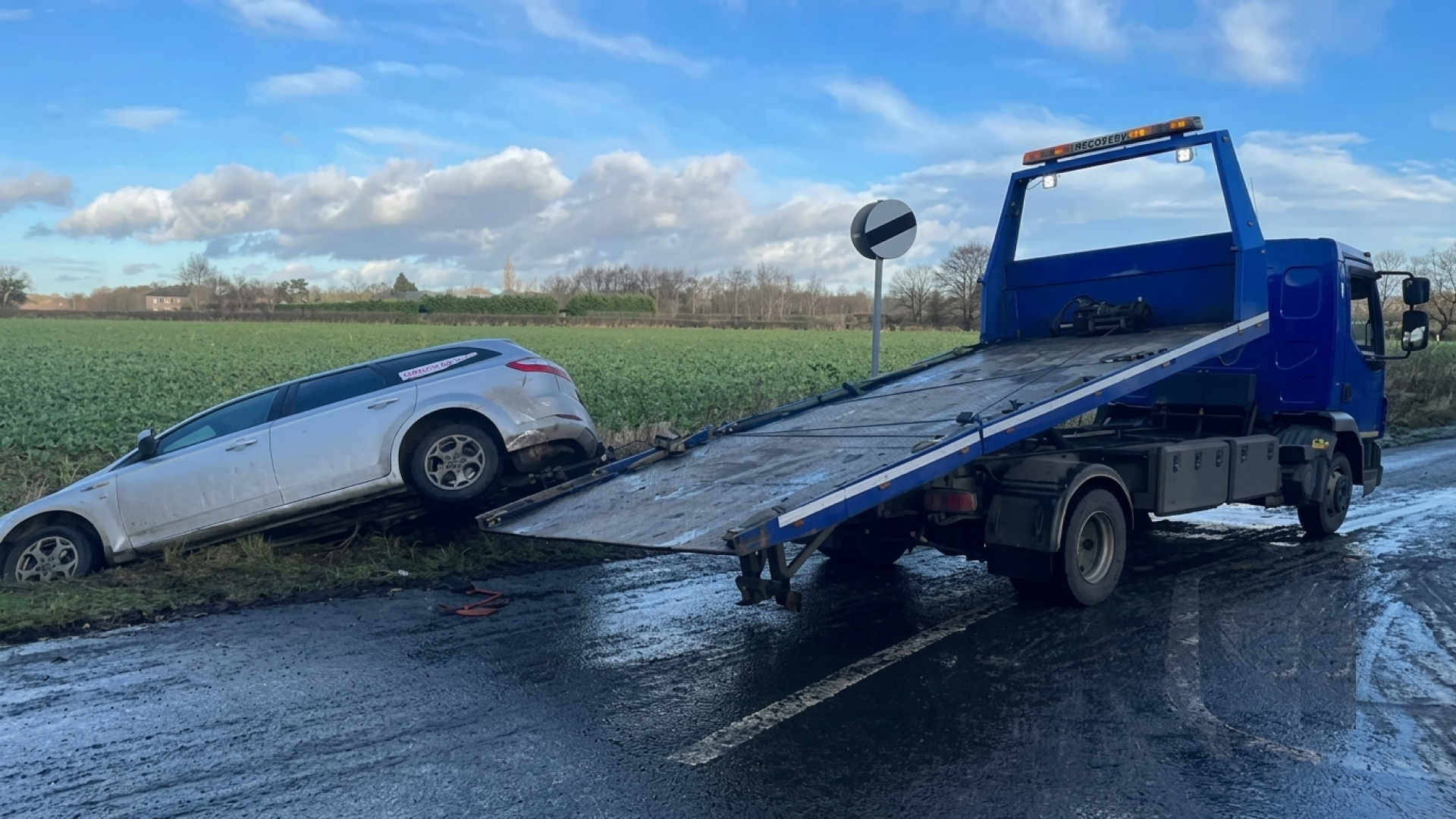
Recovering a vehicle from a difficult position
Using a flatbed tow truck for damaged vehicles
Moving a vehicle involved in a multi-car collision
Transporting a vehicle to an approved storage facility
Removing a vehicle that cannot safely be driven after an accident
Understanding the difference between vehicle recovery and towing is essential, as professional accident recovery is especially useful when a vehicle has suffered damage that affects steering, braking, wheels, suspension, or other safety-critical components.
Step-by-Step Accident Vehicle Recovery Process
The exact procedure can vary depending on the accident, vehicle condition, location, and instructions from law enforcement or the vehicle owner. However, most recovery situations follow a similar sequence.
Step 1: Make Sure Everyone Is Safe
Safety comes before the vehicle.
After an accident, check yourself and other occupants for injuries and contact emergency services when necessary. If the accident is on a busy roadway, follow key safety tips for drivers experiencing a breakdown on busy roads by remaining aware of passing traffic and avoiding standing unnecessarily close to moving vehicles.
If your vehicle can be moved safely and you have been instructed to do so, getting it out of an active traffic lane may reduce the risk of another collision. However, a seriously damaged vehicle should not be driven simply to make towing easier.
If you smell fuel, see smoke, notice leaking fluids, or suspect electrical or mechanical damage, keep your distance and wait for qualified assistance.
Step 2: Contact the Appropriate Authorities and Recovery Service
Depending on the severity and location of the accident, police or other emergency responders may need to attend the scene before the vehicle is moved.
Once the situation allows for vehicle recovery, contact a professional emergency towing and roadside assistance provider. Knowing what information should you provide when calling a tow truck ensures you can provide as much useful information as possible, including:
Your exact location
The direction of travel
The number of vehicles involved
Whether anyone is injured
Whether your vehicle can move under its own power
The type of vehicle involved
Visible damage
Whether the vehicle is blocking traffic
Your preferred destination, if known
Clear information helps the towing company determine what equipment may be appropriate for the recovery.
Step 3: The Tow Operator Assesses the Vehicle
When the recovery operator arrives, they will assess the vehicle before attempting to move it.
This assessment can include checking the position of the vehicle, visible collision damage, tire and wheel condition, steering components, suspension, underbody damage, and whether the vehicle can be safely accessed.
A car with severe front-end damage may require a different approach from a vehicle with rear-end damage. A vehicle with locked wheels, damaged suspension, or a missing tire may also require additional care during loading.
The operator may also consider the surrounding environment. A vehicle on a shoulder is different from one sitting in an intersection, ditch, median, or uneven area.
Step 4: The Recovery Equipment Is Selected
The condition and position of the vehicle help determine the appropriate towing method.
For many accident-damaged vehicles, flatbed towing can be a practical option because the vehicle is loaded onto a platform rather than being pulled with two wheels on the road.
Flatbed towing can be particularly useful for vehicles with significant damage, all-wheel-drive systems, low ground clearance, or damaged wheels. Understanding why vehicle recovery requires specialized training and equipment helps explain why the specific recovery method should always be determined based on the vehicle and circumstances.
In more complicated recovery situations, additional equipment or techniques may be necessary to safely reposition the vehicle before loading it.
Step 5: The Vehicle Is Prepared for Loading
Before the vehicle is moved, the operator prepares it for recovery.
This can involve positioning the tow truck, securing access to the vehicle, checking whether the wheels can roll, and determining the safest way to move the car.
If the vehicle cannot roll normally, how professional recovery equipment protects vehicles during recovery operations plays a major role when the operator uses specialized recovery equipment to reposition it.
Drivers should not attempt to push, pull, or manually reposition a severely damaged vehicle themselves. Collision damage can create hazards that are not obvious from the outside.
Step 6: The Vehicle Is Loaded and Secured
Once the vehicle is positioned correctly, it is loaded onto the tow truck or connected using the appropriate recovery equipment.
The operator then secures the vehicle for transportation.
Proper securing matters because the vehicle must remain stable during acceleration, braking, turns, and changes in road conditions. Tie-down points and loading procedures should be selected carefully, especially when body panels, wheels, suspension, or other components have been damaged.
For a severely damaged vehicle, careful loading is often one of the most important parts of the recovery process, demonstrating how towing professionals handle accident scene vehicle removal.
Step 7: Personal Belongings Are Checked
Before the vehicle leaves, check for personal belongings if it is safe and permitted to do so.
Look for items such as:
Wallets and identification
Phones and chargers
Laptops or electronics
Documents
Medication
Work equipment
Children's belongings
Valuables stored inside the vehicle
Do not enter a seriously damaged vehicle if doing so could put you at risk. If police, emergency personnel, or another authority has restricted access to the vehicle, follow their instructions.
Step 8: The Vehicle Is Transported to the Appropriate Destination
After loading and securing the vehicle, it can be transported to the agreed destination.
Common destinations include:
An auto repair shop
A collision repair facility
A dealership
A vehicle storage facility
A location selected by the owner
Another approved destination
If insurance will be involved, ask whether the insurer has specific requirements regarding repair facilities, storage yards, or vehicle inspections before deciding where the vehicle should go.
Step 9: The Vehicle Is Inspected and Repaired
Towing is only one part of accident recovery.
Once the vehicle reaches its destination, a collision repair professional or mechanic can inspect the damage more thoroughly. Some problems may not be obvious immediately after the crash.
Depending on the accident, the inspection may identify damage involving the body, frame, suspension, steering, wheels, tires, lights, cooling system, electrical components, or safety systems.
The vehicle may then be repaired, evaluated for additional damage, or assessed for whether repairs are practical.
Why You Shouldn't Drive a Heavily Damaged Vehicle After an Accident
A vehicle may appear driveable even when it has damage that makes driving unsafe.
For example, a bent wheel, damaged suspension component, steering problem, fluid leak, or compromised tire can create a serious problem after you leave the accident scene. Continuing to drive can also worsen existing damage.
Some damage is obvious. Other damage may only become apparent when the vehicle is moving.
If there is significant collision damage or you are uncertain about the vehicle's condition, professional vehicle recovery is generally a safer option than taking a chance on driving home or to a repair shop.
Flatbed Towing vs. Traditional Towing After an Accident
Not every accident-damaged vehicle requires the same towing method. Reviewing flatbed towing vs traditional towing whats the difference helps highlight which option suits your scenario best.
Flatbed Towing
With flatbed towing, the vehicle is loaded onto the bed of the tow truck and transported with all four wheels off the road. Learning what is flatbed towing and when is the right choice for your vehicle illustrates why it is ideal for fragile or heavily compromised cars.
This approach can be useful for:
Heavily damaged vehicles
Vehicles with damaged wheels
Certain all-wheel-drive vehicles
Luxury or specialty vehicles
Low-clearance vehicles (see why flatbed towing is a smart option for low clearance vehicles)
Vehicles that should not be driven or rolled over the roadway
The main advantage, as covered in how professional flatbed towing protects your vehicle during transport, is that the vehicle is transported rather than being pulled along the road on its own wheels.
Wheel-Lift or Other Towing Methods
Some vehicles can be moved using other towing equipment depending on their condition and drivetrain.
However, accident damage changes the equation. If steering, suspension, wheels, or other components are compromised, the towing operator must choose a method that safely accommodates that damage, ensuring what is damage free towing is prioritized throughout the process.
The best towing method is not simply the one that is quickest. It is the method that fits the vehicle and recovery situation.
What Should You Do While Waiting for Accident Recovery?
Waiting beside a damaged vehicle can be stressful, particularly at night or on a busy road. Knowing what to do while waiting for emergency towing service columbus oh will keep you secure.
While waiting for professional assistance:
Move to a safe location when possible.
Turn on hazard lights if the vehicle's electrical system works.
Stay alert to surrounding traffic.
Keep passengers away from active traffic lanes.
Do not attempt complicated repairs at the accident scene.
Have your location and vehicle information ready.
Keep your phone available for calls from the recovery operator.
Follow instructions from police and emergency responders.
If the accident occurs on a highway or heavily traveled road, personal safety should remain the priority.
Common Mistakes to Avoid After a Vehicle Accident
Trying to Drive a Damaged Vehicle
A car that starts does not necessarily mean it is safe to drive. Damage to steering, brakes, suspension, wheels, or tires can create problems that are difficult to identify without an inspection.
Choosing a Destination Without Checking Insurance Requirements
If you expect to file an insurance claim, contact your insurer as soon as reasonably possible. Ask whether there are preferred repair facilities or specific procedures for vehicle storage and inspection.
Leaving Important Items Inside the Vehicle
If you have safe access to the vehicle, remove important personal belongings before it is transported. If access is unsafe or restricted, do not put yourself at risk.
Attempting DIY Recovery
Pulling a collision-damaged vehicle with another personal vehicle can cause additional damage and create safety hazards. Professional recovery equipment is designed for controlled vehicle movement.
Forgetting to Document the Vehicle's Condition
If it is safe and permitted, photographs of the vehicle and surrounding scene can be useful for your records. Take pictures from several angles rather than relying on one photograph.
How to Prepare for Accident Recovery Before You Need It
Most drivers do not expect to need accident towing. A few simple preparations can make the process easier if a collision happens.
Keep your insurance information and emergency contacts accessible. Know your vehicle's make, model, and approximate location information when traveling unfamiliar roads.
It is also useful to know how to share your location from your phone. If you are unable to identify a street address, nearby intersections, highway markers, landmarks, or GPS coordinates can help a towing provider locate you.
The advantages of having a trusted towing company saved in your phone can save time and eliminate extra panic during an emergency.
Accident Recovery and Roadside Assistance Are Not the Same
Roadside assistance and accident recovery overlap, but they serve different situations.
Roadside assistance is commonly used for problems such as flat tires (requiring a tire change), dead batteries (requiring a jump start), lockouts (such as car lockout assistance in columbus oh what to do when youre locked out), or running out of gas how fuel delivery services save time and stress via fuel delivery. The goal may be to resolve the problem at the roadside so the driver can continue, as explored in how roadside assistance helps drivers get back on the road faster.
Accident recovery is focused on safely moving a vehicle that has been involved in a collision and may no longer be roadworthy. Understanding how vehicle recovery services help in difficult situations explains the specialized methods required.
A towing provider that offers both services can help drivers with the most common roadside emergencies drivers face, but the equipment and recovery approach will depend on the situation.
What Information Should You Give a Towing Company?
The more accurate your information is, the easier it can be for the towing provider to understand what you need.
When calling for accident vehicle recovery, be ready to provide:
Exact location
Vehicle make and model
Vehicle type
Accident description
Visible damage
Whether the vehicle starts
Whether the wheels roll
Whether the vehicle is blocking traffic
Your destination
Any special access or safety concerns
If you are unsure about the technical details, simply describe what you can see. A professional dispatcher can ask follow-up questions.
What Does Accident Towing Cost in Ohio?
There is no single price for accident recovery because towing charges can vary based on several factors. Reviewing how much does towing cost in columbus oh offers helpful guidelines on rate breakdowns.
The final cost may depend on the distance traveled, vehicle size, location, recovery complexity, equipment required, time of service, and destination.
A straightforward tow from a roadside location is different from recovering a vehicle from a ditch or transporting a severely damaged vehicle over a longer distance.
Before authorizing service, ask for pricing information and clarify what is included. If insurance or roadside assistance coverage may apply, check your policy to understand your coverage and any applicable limits.
Practical Accident Recovery Checklist
If you are involved in an accident and the vehicle cannot safely be driven, use this basic checklist:
Check for injuries and contact emergency services when needed.
Move to a safe location if you can do so without creating additional risk.
Follow instructions from police or emergency responders.
Contact a professional towing or accident recovery provider.
Give the dispatcher your exact location and describe the vehicle damage.
Ask where the vehicle will be transported.
Remove personal belongings if it is safe and permitted.
Photograph the vehicle when appropriate and safe.
Contact your insurance provider if a claim may be necessary.
Have the vehicle professionally inspected before deciding whether it is safe to drive again.
Accident Recovery Services for Ohio Drivers
Casper Towing Ohio provides towing and roadside assistance for drivers who need help after unexpected vehicle problems, including accident-related situations. Its services include towing, roadside assistance, vehicle recovery, and accident recovery for customers in Ohio. You can learn more about their team or contact us for rapid dispatch.
For accident recovery, the priority should always be safe vehicle handling and appropriate transportation rather than simply getting the vehicle moving again. Knowing why fast response times matter after a vehicle accident, a professional towing provider can assess the situation, determine the appropriate recovery method, and transport the vehicle to an appropriate destination.
The company also provides related roadside services such as jump starts, tire changes, and fuel delivery, which can be useful when a vehicle problem does not require accident recovery.
For drivers searching for accident recovery in Ohio, the key is to provide accurate information about the vehicle and accident scene so the appropriate assistance can be arranged.
Conclusion
Accident vehicle recovery is a carefully managed process that begins with personal safety and ends with the damaged vehicle being transported to an appropriate destination. It involves more than attaching a vehicle to a tow truck. The recovery operator must consider the vehicle's condition, location, visible damage, loading requirements, and safest transportation method.
If your vehicle has been seriously damaged, avoid assuming that it is safe to drive simply because the engine starts. Steering, suspension, wheels, brakes, tires, and other components can be affected by a collision even when the damage is not immediately obvious.
The best approach is simple: protect yourself first, follow instructions from emergency personnel, provide accurate information to the towing company, and let trained professionals handle the vehicle recovery. Understanding the role of professional towing services during unexpected vehicle emergencies and having a plan before an accident occurs can make an already stressful situation much easier to manage.
Frequently Asked Questions
What is accident vehicle recovery?
Accident vehicle recovery is the process of safely removing and transporting a vehicle that has been damaged or disabled in a collision. Depending on the situation, recovery may involve flatbed towing, specialized equipment, or careful repositioning before the vehicle can be transported.
Should I drive my car after an accident if it still starts?
Not necessarily. A vehicle can start while still having unsafe damage to its steering, suspension, brakes, wheels, tires, or other components. If the vehicle has significant collision damage, having it professionally assessed and transported may be safer than driving it.
What type of tow truck is best for an accident-damaged vehicle?
The appropriate tow truck depends on the vehicle's condition and the circumstances of the accident. Flatbed towing is often useful for vehicles with significant damage, damaged wheels, low clearance, or certain drivetrain configurations because the vehicle can be transported on the truck bed.
Can a towing company recover a vehicle that cannot roll?
In many situations, professional recovery equipment can be used to move a vehicle that cannot roll normally. The exact method depends on the vehicle's position, damage, weight, and accessibility.
Where can my vehicle be taken after an accident?
An accident-damaged vehicle may be transported to a collision repair shop, mechanic, dealership, storage facility, or another approved location. If insurance is involved, check whether your insurer has specific requirements for the repair or storage destination.
What should I tell the towing company after an accident?
Provide your exact location, vehicle make and model, visible damage, whether the vehicle starts or rolls, whether it is blocking traffic, and where you want it transported. Mention unusual circumstances such as a damaged wheel, leaking fluids, or difficult vehicle access.
How much does accident towing cost in Ohio?
Accident towing costs vary depending on factors such as the vehicle, location, distance, equipment required, recovery difficulty, and destination. Ask the towing provider for pricing before authorizing service and check your insurance or roadside assistance coverage if applicable.
Can accident recovery services handle vehicles with serious damage?
Professional recovery services can handle many types of damaged or disabled vehicles, but the appropriate equipment depends on the specific situation. A recovery operator should assess the vehicle and determine how it can be moved and transported safely.
What should I do while waiting for a tow truck after an accident?
Stay in a safe location away from active traffic whenever possible, follow instructions from emergency personnel, keep passengers away from dangerous areas, and avoid attempting to move a severely damaged vehicle yourself. Keep your phone available so the towing provider can contact you.
Is accident recovery available after a nighttime or weekend collision?
Many towing and roadside assistance providers offer emergency services outside normal business hours. Understanding why 247 towing services are essential for modern drivers helps when you need help after an accident; confirm the provider's current availability when you call and give the dispatcher your exact location and vehicle condition.