Emergency Fuel Delivery: How Roadside Fuel Assistance Works
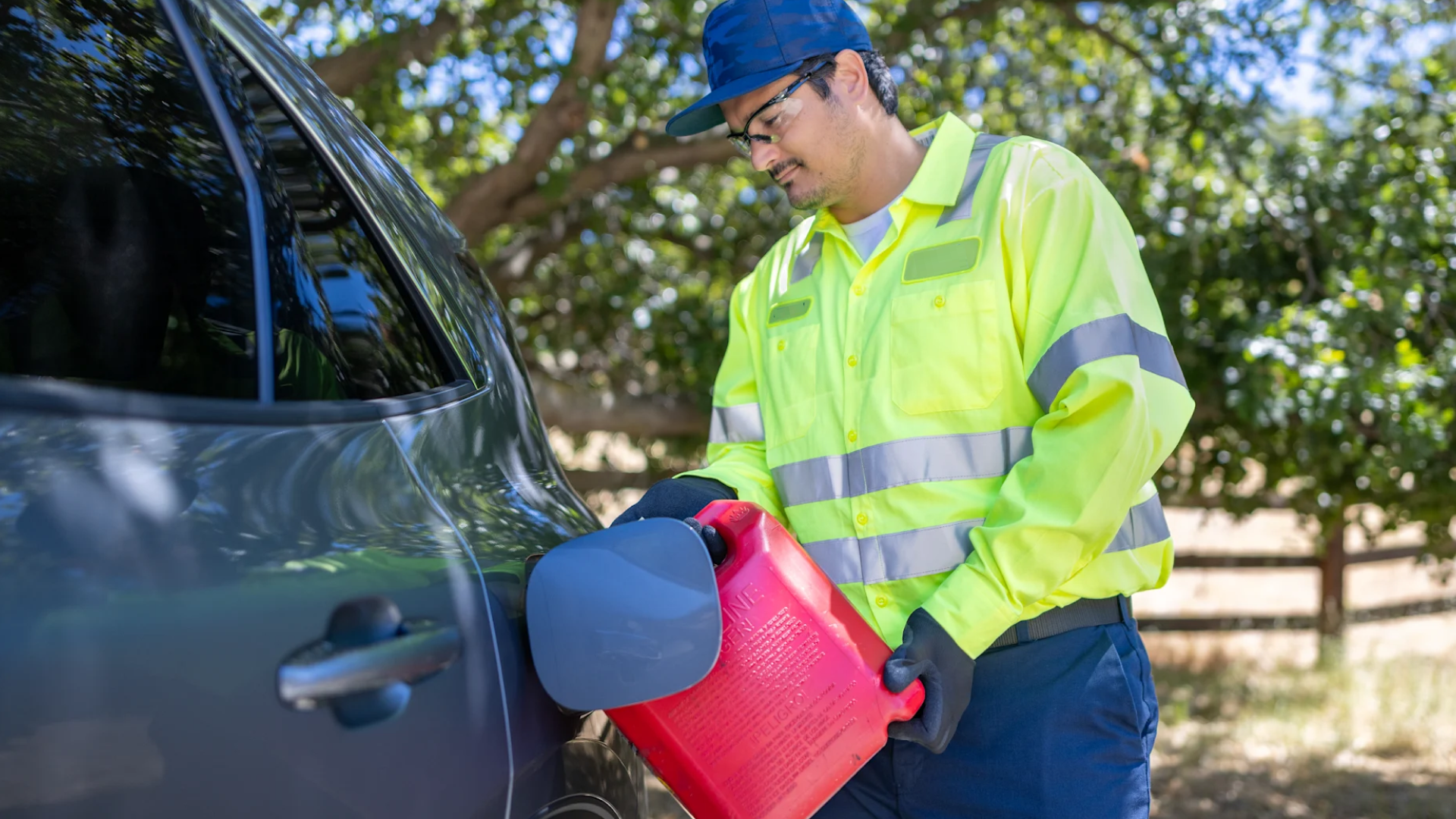
Running out of fuel can turn an ordinary drive into a stressful roadside emergency. You may be only a few miles from your destination, stuck in traffic, traveling through an unfamiliar area, or dealing with a vehicle that suddenly stops after the fuel gauge reaches empty. If there is no safe way to reach a gas station, emergency fuel delivery can provide a practical way to get moving again.
Roadside fuel assistance is designed for situations where a vehicle has run out of gasoline or diesel and cannot reasonably be refueled at a station. A roadside service provider brings fuel to the vehicle, allowing the driver to restart the engine and continue the trip when the vehicle is otherwise mechanically capable of driving.
For Ohio drivers, understanding how fuel delivery works can make a stressful situation easier to manage. Knowing what information to provide, where to wait, what type of fuel is needed, and what to expect when help arrives can save time and reduce unnecessary risk.
What Is Emergency Fuel Delivery?
Emergency fuel delivery is a roadside assistance service for drivers who have run out of fuel. Instead of arranging for the vehicle to be towed to a gas station, a roadside technician brings a limited amount of the appropriate fuel directly to the vehicle.
The basic process is straightforward:
The driver contacts a roadside assistance provider.
The driver's location and vehicle information are collected.
The provider confirms what type of fuel the vehicle requires.
A service vehicle travels to the stranded vehicle.
Fuel is delivered into the vehicle's fuel tank.
The driver attempts to restart the vehicle.
If the vehicle operates normally, the driver can continue to a fuel station.
Fuel delivery is generally intended to solve a fuel shortage rather than a mechanical failure. If the vehicle still will not start after receiving fuel, additional roadside assistance or towing may be necessary.
What Types of Fuel Can Roadside Assistance Deliver?
The fuel available depends on the roadside service provider and the vehicle involved. Common requests include gasoline and diesel.
Drivers should identify the correct fuel before assistance is dispatched. Giving incorrect information can delay service or result in the wrong type of fuel being brought to the vehicle.
If you are uncertain about the required fuel, check the vehicle owner's manual, fuel-door label, or other manufacturer information before requesting delivery. You can also read more about emergency fuel delivery services for additional insights.
Is Emergency Fuel Delivery the Same as Towing?
No. Fuel delivery and towing solve different problems.
Fuel delivery is intended for a vehicle that has run out of fuel but is otherwise capable of driving.
Towing is used when a vehicle cannot safely or reliably continue under its own power. This can happen because of mechanical problems, collision damage, a dead battery, severe tire damage, overheating, or other issues.
If adding fuel does not restore normal operation, a towing service may be the next appropriate step. For more details, check out running out of gas.
How Does Roadside Fuel Assistance Work?
The process usually starts with a phone call or online service request. The driver explains that the vehicle has run out of fuel and provides the vehicle's location.
A roadside provider may ask for information such as:
Exact location or nearby landmark
Vehicle make, model, and year
Fuel type
Number of the vehicle's occupants
Direction of travel
Description of the roadside situation
Whether the vehicle is blocking traffic
Whether anyone is injured or in immediate danger
Providing accurate information helps the service provider understand what is needed before sending assistance.
Step 1: Report Your Exact Location
Location is one of the most useful pieces of information during a roadside emergency.
If you are on a highway, provide the road name, direction of travel, exit number, mile marker, or nearest recognizable landmark. If you are in a parking lot or residential area, provide the street address or a nearby business.
If your vehicle is on a road with limited visibility, explain where it is positioned. This helps the technician find you and understand the roadside conditions.
Step 2: Confirm the Fuel Type
Before fuel is dispatched, confirm whether your vehicle uses gasoline or diesel.
This matters because different engines require different fuels. If you accidentally put the wrong fuel into your vehicle, do not start the engine. Contact a qualified professional for guidance.
Step 3: Wait in a Safe Location
A vehicle that has run out of fuel may be stopped in a dangerous location. If possible, move the vehicle completely out of traffic before it becomes immobile.
Once stopped, turn on the hazard lights and remain aware of surrounding traffic. If the vehicle is in a hazardous position, occupants should use their judgment about whether remaining inside the vehicle or moving to a safer location is appropriate.
Step 4: The Technician Delivers Fuel
Once the roadside technician arrives, they can verify the vehicle and provide the requested fuel.
The amount delivered is generally intended to get the vehicle moving again, not necessarily to fill the entire tank. After the vehicle starts, the driver should usually proceed to a nearby fuel station.
Step 5: Restart the Vehicle
After fuel has been added, the driver can attempt to start the vehicle according to normal manufacturer procedures.
Some vehicles may start immediately. Others may require additional steps, particularly if the fuel system has completely run dry.
If the vehicle still does not start, the problem may not be fuel-related. A dead battery, fuel-system problem, electrical fault, mechanical failure, or another issue could require additional roadside assistance.
What Should You Do If Your Car Runs Out of Gas?
The first priority is safety, not getting to a gas station on foot.
If the vehicle is still moving when you realize the fuel is nearly exhausted, look for a safe place to pull off the road. Avoid stopping in a travel lane if there is another safe option.
After stopping:
Turn on your hazard lights.
Put the vehicle in park and engage the parking brake.
Assess traffic and road conditions.
Stay away from moving traffic whenever possible.
Contact roadside assistance if you cannot safely obtain fuel.
Provide your exact location.
Keep your phone available for communication with the service provider.
What If You Run Out of Fuel on a Highway?
Running out of fuel on a highway can be particularly dangerous because vehicles may be traveling at high speeds.
If possible, move the vehicle onto the shoulder or another safe area. Do not walk along the highway simply to reach a gas station unless there is no safer alternative and the situation requires it.
Keep your hazard lights on and make your location easy for the roadside provider to identify.
If you are in immediate danger because of traffic, an unsafe vehicle position, or another emergency, contact the appropriate emergency service.
Why Fuel Delivery Can Be Safer Than Walking to a Gas Station
A driver who runs out of gas may be tempted to walk to the nearest fuel station carrying a fuel delivery container. That option may not be practical or safe, especially on a busy road, at night, during poor weather, or in an unfamiliar area.
Roadside fuel delivery allows the driver to remain near the vehicle while trained roadside personnel bring the necessary fuel.
This can be particularly useful when:
The nearest gas station is several miles away.
The vehicle is on a busy highway.
The driver is traveling alone.
Weather conditions are poor.
The driver has mobility limitations.
The vehicle cannot be safely left unattended.
Fuel delivery does not eliminate roadside hazards, but it can reduce the need for a stranded driver to walk alongside traffic.
Common Reasons Drivers Run Out of Fuel
Running out of gas does not always happen because someone simply forgot to refuel.
Fuel levels can become difficult to judge in several situations. A gauge may be inaccurate, fuel consumption can change during heavy traffic, and an unfamiliar route may have fewer convenient fueling locations than expected.
Common situations include:
Heavy Traffic and Stop-and-Go Driving: Idling and repeated acceleration can affect fuel consumption. A driver who expected to reach the next station may discover that the remaining fuel is not enough.
Long Rural Drives: Some areas have fewer fuel stations than drivers may expect. A driver traveling through an unfamiliar part of Ohio may underestimate the distance to the next available station.
Incorrect Fuel Gauge Readings: Fuel gauges are useful but should not be treated as perfectly precise measurements. If a vehicle has a history of inaccurate readings, drivers should be more conservative about refueling.
Unexpected Detours: Construction, road closures, traffic, or navigation changes can add miles to a trip. A route that originally appeared to be within the vehicle's remaining range may become longer.
Delaying Refueling: Sometimes the simplest explanation is that the driver planned to stop later and reached empty before getting there. Refueling before the tank becomes critically low is the easiest way to prevent this type of roadside emergency.
What Information Should You Give a Fuel Delivery Provider?
Clear information helps the provider understand your situation before dispatching assistance.
Be prepared to provide:
Your current location
Your destination or direction of travel
Vehicle make and model
Vehicle year, if known
Gasoline or diesel requirement
Approximate fuel level
Whether the vehicle is safely parked
Whether the vehicle is on a highway, street, parking lot, or private property
Any unusual circumstances affecting access to the vehicle
If the vehicle is difficult to identify, provide its color, license plate information, or another identifying detail when requested.
Why Accurate Location Information Matters
A roadside technician cannot help efficiently if they cannot find the vehicle.
A street address is useful in a residential or commercial area, while a highway location may require additional information. Mile markers, exit numbers, nearby businesses, intersections, and travel direction can all make a difference.
If your phone provides a location pin, you can use it as an additional reference when communicating with the service provider.
What Happens If Your Vehicle Still Won't Start After Fuel Delivery?
Fuel delivery does not guarantee that a vehicle will start.
If the vehicle ran out of fuel, receives the appropriate fuel, and still refuses to start, another problem may be involved.
Possible causes can include:
Dead or weak battery
Starter problems
Fuel pump failure
Electrical problems
Ignition problems
Engine-related mechanical issues
Fuel-system problems
In this situation, explain what happened to the roadside technician. The provider may be able to offer additional roadside assistance or arrange towing to an appropriate repair facility.
When Towing May Be Necessary
Towing becomes more appropriate when the vehicle cannot safely drive after fuel has been added.
For example, if a driver runs out of gas and discovers that the battery is also dead, a jump start may be needed. If the engine will not run because of a mechanical failure, towing may be the safer option.
The key distinction is simple: fuel delivery addresses an empty fuel tank, while towing addresses a vehicle that cannot safely continue driving.
Common Misconceptions About Emergency Fuel Delivery
Understanding what fuel delivery can and cannot do helps drivers make better decisions during an emergency.
Myth: Fuel Delivery Fills the Entire Tank: Not necessarily. Roadside fuel assistance is generally intended to provide enough fuel to help the vehicle reach a fuel station.
Myth: Adding Fuel Fixes Any No-Start Problem: No. If the vehicle stopped because of a mechanical or electrical failure, adding fuel will not correct the underlying problem.
Myth: You Should Walk to a Gas Station Immediately: Walking may expose a stranded driver to traffic and other hazards. Consider the location and conditions before leaving the vehicle.
Myth: The Vehicle Will Always Start Immediately After Fuel Is Added: Not every vehicle responds the same way after running completely out of fuel. Some may require additional procedures, and a separate mechanical problem may also be present.
How to Prevent a Fuel Emergency
The easiest fuel emergency to manage is the one that never happens.
A few habits can reduce the chance of running out of fuel:
Refuel before the tank becomes nearly empty.
Check your fuel level before long trips.
Identify fuel stations along unfamiliar routes.
Pay attention to changes in your vehicle's fuel consumption.
Do not rely entirely on the estimated range displayed by the vehicle.
Keep your phone charged during longer drives.
Know how to contact roadside assistance before an emergency occurs.
Drivers who regularly travel long distances through rural areas should be especially aware of the distance between available fuel stations.
Emergency Fuel Delivery vs. Other Roadside Services
Fuel delivery is one part of a larger roadside assistance system. The right service depends on why the vehicle cannot continue.
Vehicle has run out of gasoline: Emergency fuel delivery
Battery is dead: Jump-start assistance
Tire is flat: Tire change or roadside tire assistance
Keys are locked inside vehicle: Lockout assistance
Vehicle cannot safely operate: Towing
Vehicle is stuck: Vehicle recovery
Vehicle needs transportation to a repair shop: Towing or vehicle transport
A professional roadside provider can help determine the appropriate next step based on the driver's description of the problem.
What Does Emergency Fuel Delivery Cost?
The cost of roadside fuel assistance can vary depending on the provider, location, time, vehicle situation, and other service conditions.
The fuel itself may be one component of the total charge, while the roadside service or dispatch may involve separate costs. Pricing policies also differ among providers.
Before authorizing service, ask what charges apply and whether the fuel and service fee are billed separately.
For Ohio drivers, getting a clear understanding of the price before service begins can help prevent misunderstandings later.
Why Professional Roadside Assistance Matters
A fuel emergency can happen at an inconvenient time and place. Professional roadside assistance provides a way to address the immediate problem without requiring the driver to solve everything alone.
For a towing and roadside assistance provider such as Casper Towing Ohio, fuel delivery can fit within a broader range of roadside services designed to help drivers dealing with disabled or stranded vehicles.
The most useful roadside response is not simply about delivering fuel. It also involves locating the vehicle, understanding the situation, communicating clearly, and determining whether additional assistance is needed.
Practical Takeaways for Ohio Drivers
If you run out of fuel, remember these basic steps:
Get the vehicle to a safe location if possible.
Turn on your hazard lights.
Avoid walking along a busy roadway unnecessarily.
Contact a roadside assistance provider.
Give your exact location and vehicle details.
Confirm whether the vehicle uses gasoline or diesel.
Wait in a safe location while assistance is on the way.
After fuel is delivered, attempt to restart the vehicle.
If it still will not run, request appropriate additional roadside assistance or towing.
Refuel fully at the next convenient station once the vehicle is operating.
Conclusion
Emergency fuel delivery is a straightforward roadside assistance service, but knowing how it works can make a difficult situation much easier to manage. When a vehicle runs completely out of fuel, a roadside provider can bring the appropriate fuel directly to the stranded vehicle, allowing the driver to continue the trip if no other mechanical problem is present.
The most important steps are staying safe, providing an accurate location, confirming the correct fuel type, and explaining the situation clearly. If the vehicle still will not start after receiving fuel, additional roadside assistance or towing may be necessary.
Planning ahead also matters. Keeping the fuel level above empty, checking routes before long drives, and knowing how to request roadside assistance can reduce the stress associated with an unexpected fuel emergency. Feel free to contact us if you need immediate help or want to learn more about our services.
Frequently Asked Questions
What is emergency fuel delivery?
Emergency fuel delivery is a roadside assistance service that brings gasoline or diesel to a vehicle that has run out of fuel. The purpose is to provide enough fuel for the vehicle to restart and reach a nearby fuel station when no mechanical problem is preventing it from operating.
Can roadside assistance bring gas to my car?
Yes. Fuel delivery is a common type of roadside assistance offered by many towing and roadside service providers. The driver generally provides their location, vehicle information, and required fuel type so the appropriate assistance can be dispatched.
What should I do if my car runs out of gas on the highway?
Move the vehicle to a safe location away from traffic if possible, turn on the hazard lights, and contact roadside assistance. Avoid walking along a busy highway to find fuel unless there is no safer option. Give the provider your road, direction of travel, exit, or mile-marker information.
How much fuel will a roadside assistance company bring?
The amount can vary by provider and service policy. Emergency fuel delivery is generally intended to provide enough fuel to get the vehicle running and allow the driver to reach a nearby fuel station rather than completely filling the tank.
What if my car won't start after fuel is delivered?
If the vehicle does not start after receiving the correct fuel, another issue may be responsible. A weak battery, starter problem, fuel-system fault, electrical problem, or mechanical failure could prevent the engine from starting. Additional roadside assistance or towing may be required.
Can fuel delivery help a diesel vehicle?
Some roadside providers offer diesel fuel delivery, but availability varies. Tell the provider that the vehicle is diesel before assistance is dispatched. If the wrong fuel was added to a vehicle, do not start the engine and seek professional assistance.
Is fuel delivery safer than walking to a gas station?
It can be, particularly when the vehicle is stopped on a busy highway, in poor weather, at night, or far from a station. Roadside fuel delivery allows the driver to request assistance without walking alongside traffic or leaving the vehicle unattended.
Does running out of gas damage a car?
Running completely out of fuel can create problems for some vehicles, particularly if the fuel system becomes difficult to prime afterward. The consequences can vary by vehicle. If a vehicle repeatedly runs out of fuel, the owner should avoid treating an empty tank as normal operating practice.
Can I get towing if my car still won't start after running out of gas?
Yes. If adding fuel does not restore normal operation, towing may be appropriate when the vehicle cannot safely drive. A roadside provider can assess the situation and determine whether another roadside service or transportation to a repair facility is needed.
What information should I have ready when requesting fuel delivery?
Have your exact location, vehicle make and model, fuel type, direction of travel, and a description of the situation ready. Highway drivers should also provide an exit number, mile marker, nearby landmark, or other identifying information when available.