Why Professional Fuel Delivery Can Help You Avoid an Unnecessary Tow
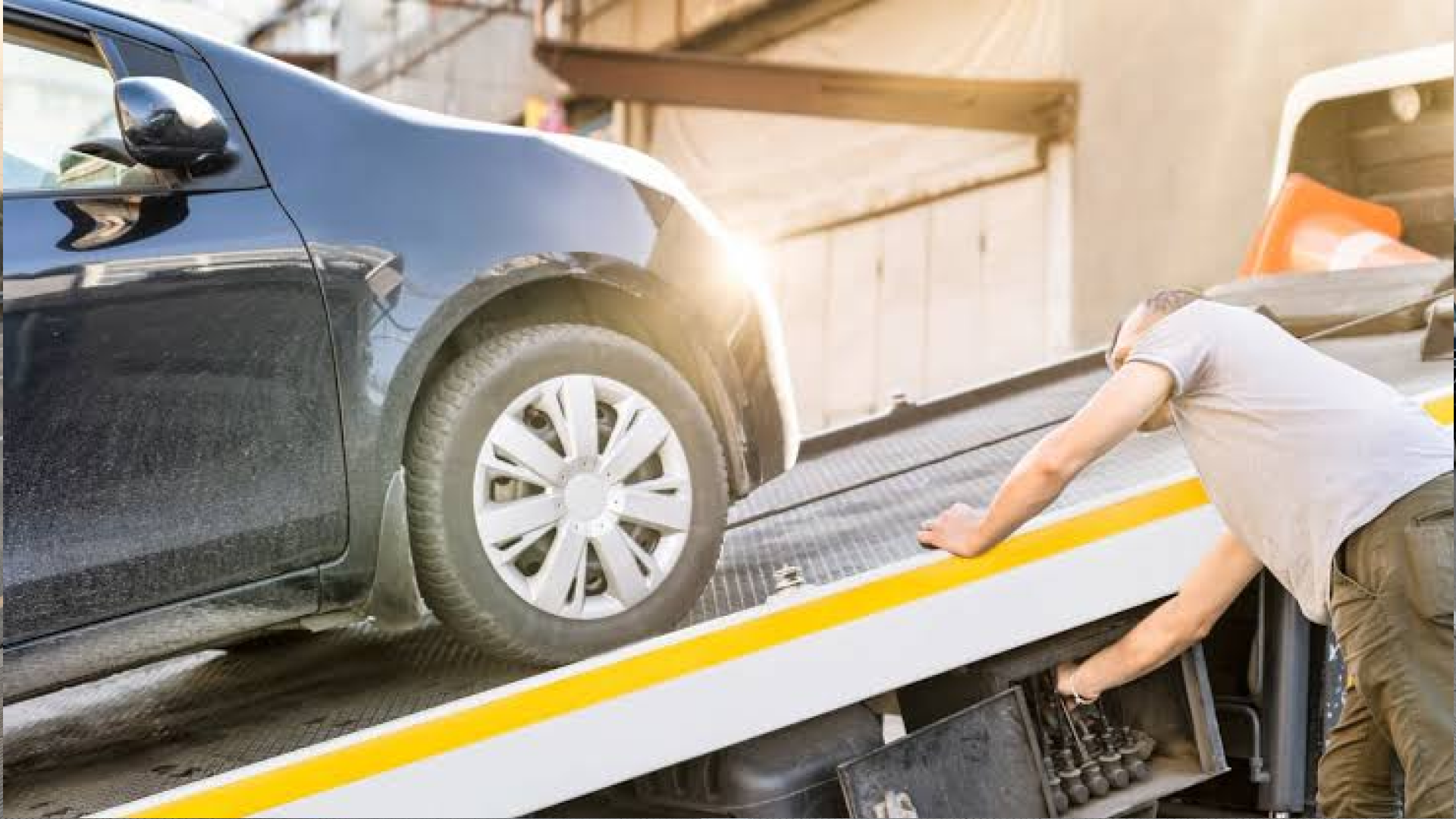
Running out of gas is one of those roadside problems that can make a perfectly normal trip come to a sudden stop. The engine cuts out, the vehicle will not move, and the nearest gas station may seem much farther away than it did a few minutes earlier.
For many drivers, the immediate thought is, “I need a tow truck.” But an empty fuel tank does not necessarily mean the vehicle needs to be transported to a repair shop. If the car is otherwise functioning normally, professional fuel delivery may solve the problem without a tow.
Fuel delivery is a roadside assistance service designed for situations where a vehicle has run out of fuel. Instead of abandoning the vehicle, walking along the road, or arranging a full tow, a roadside provider can bring fuel directly to the vehicle's location. Once enough fuel is added, the driver may be able to restart the vehicle and continue the trip.
That distinction matters. Knowing the difference between a fuel-related problem and a mechanical failure can help drivers request the appropriate roadside assistance service, save unnecessary time, and make a stressful situation easier to manage.
What Is Professional Fuel Delivery?
Professional fuel delivery is a roadside assistance service for drivers whose vehicles have run out of gasoline or, where supported, another appropriate type of fuel.
The basic idea is simple: rather than taking the vehicle to a fuel station, assistance comes to the vehicle.
A driver can contact a roadside service provider, explain that the vehicle has run out of fuel, provide the vehicle's location, and wait for assistance in a safer place when possible. The provider brings an appropriate amount of fuel so the driver can attempt to restart the vehicle and continue toward a fuel station.
Fuel delivery is different from towing because the vehicle itself does not necessarily need to be transported. As discussed in our post on running out of gas and fuel delivery services, getting direct fuel assistance can save you considerable time and stress.
Why Running Out of Fuel Does Not Always Require a Tow
A tow is generally intended to move a vehicle that cannot safely or practically continue under its own power.
An empty fuel tank is different from a failed engine, damaged transmission, accident, or severely damaged tire. If the only problem is that the vehicle has no fuel, adding fuel may resolve the immediate issue.
That is why identifying the actual roadside problem matters before automatically requesting a towing service.
A simple decision can help:
The vehicle has fuel but will not start: A mechanical, electrical, or battery-related issue may exist.
The vehicle ran normally and stopped after the fuel gauge reached empty: Fuel delivery may be appropriate.
The vehicle ran out of fuel and now has another problem: Roadside assistance or towing may still be necessary.
The vehicle is in an unsafe location: Safety takes priority, and emergency towing or other assistance may be appropriate.
How Fuel Delivery Can Help You Avoid an Unnecessary Tow
The main advantage of fuel delivery is that it addresses the actual cause of the problem when the problem is simply an empty tank.
Imagine a driver traveling across Columbus who gets caught in unusually heavy traffic. The trip takes longer than expected, the fuel level drops, and the vehicle eventually runs out of gas before the driver reaches a station.
The car itself may be perfectly functional.
A tow truck could transport the vehicle, but if the only issue is an empty tank, transporting the entire vehicle may not be necessary. Fuel delivery addresses the immediate problem at the roadside.
It Can Get the Vehicle Moving Again
When a vehicle stops because it has run out of fuel, bringing fuel directly to the vehicle may allow the driver to restart it.
That can turn what initially feels like a major breakdown into a relatively straightforward roadside service call.
The key is that fuel delivery does not repair a damaged vehicle. It provides fuel when the lack of fuel is preventing an otherwise functional vehicle from operating.
It Keeps the Vehicle With You
Walking to a gas station can create additional problems.
The station may be several miles away. There may be no safe pedestrian route. The vehicle may be stopped on a shoulder beside fast-moving traffic. Leaving the vehicle unattended can also create security concerns.
Professional fuel delivery allows the driver to remain with the vehicle while assistance is arranged. To learn more about staying secure, read our guide on safety tips for drivers experiencing a breakdown on busy roads.
It May Be More Appropriate Than Full Vehicle Transport
A tow is useful when a vehicle cannot continue safely or when transportation is otherwise necessary.
But if the vehicle simply needs fuel, roadside fuel delivery may be a more direct response to the problem.
This is an important distinction for drivers who are unsure what service to request. You do not necessarily need to decide everything yourself. When calling a roadside provider, explain what happened and let the dispatcher determine which type of assistance is appropriate.
Common Situations That Can Lead to an Empty Fuel Tank
Running out of gas is not always caused by ignoring the fuel gauge.
Several everyday situations can contribute to an unexpected fuel shortage.
Heavy Traffic
Stop-and-go traffic can significantly change the length of a trip. A journey that normally takes 30 minutes can take much longer when traffic is heavily congested.
Drivers who planned their fuel stop based on normal travel conditions may discover that the remaining range is lower than expected.
Long-Distance Travel
Long trips require more attention to fuel planning.
A driver may know that a particular route has several fuel stations but encounter a closure, detour, traffic delay, or change in plans. A small amount of remaining fuel can disappear faster than expected when the next stop is farther away.
Unfamiliar Roads
Traveling in an unfamiliar area can make fuel planning more difficult.
A driver may assume a gas station is nearby based on a map or sign, only to discover that the station is closed, inaccessible, or farther away than expected.
Misreading the Fuel Gauge
Fuel gauges are useful, but drivers should not treat the displayed range as a guarantee.
Driving conditions, traffic, terrain, vehicle load, weather, and driving habits can affect fuel consumption. Treat the estimated remaining range as a planning aid rather than a promise that the vehicle will travel exactly that distance.
A Missed Fuel Stop
Sometimes the explanation is simple: the driver intended to stop but forgot.
Busy schedules, children in the vehicle, phone calls, unfamiliar roads, or an unexpectedly long commute can all push a fuel stop farther down the priority list.
What Should You Do If Your Vehicle Runs Out of Gas?
Your first priority should be getting yourself and your vehicle into the safest practical position.
If the vehicle still has enough momentum to reach a safer location, move away from active traffic when it is safe and legal to do so. Once stopped, turn on the hazard lights and remain alert to surrounding traffic.
Then request appropriate roadside assistance.
Step 1: Move to Safety If Possible
If you can safely move the vehicle onto a shoulder, parking area, or another location away from moving traffic, do so.
Do not put yourself in danger trying to move a vehicle that cannot be moved safely.
Step 2: Turn on Your Hazard Lights
Hazard lights make the vehicle more visible to approaching drivers.
This is especially important on busy roads, at night, during poor weather, or anywhere visibility is limited.
Step 3: Stay With the Vehicle When Practical
If the location is reasonably safe, staying with the vehicle can make it easier for the roadside provider to locate you.
Avoid walking beside a busy highway simply to find fuel if professional roadside assistance can come to your location.
Step 4: Contact a Roadside Assistance Provider
Tell the provider that the vehicle has run out of fuel.
Give the most accurate location information available, including:
Street name
Direction of travel
Nearby intersections
Highway or exit number
Mile marker, if available
Nearby businesses or landmarks
Vehicle make, model, and color
Clear information helps the provider identify the correct vehicle and location.
Step 5: Confirm the Type of Fuel Needed
Before assistance arrives, be certain about what fuel the vehicle requires.
If there is any uncertainty, check the owner's manual or fuel information associated with the vehicle. Accidentally putting the wrong fuel into a vehicle can create a different problem that may require additional assistance.
Fuel Delivery vs. Towing: Which Service Do You Need?
Understanding the difference can make it easier to explain your situation when you call for help.
Vehicle simply ran out of gasoline: Fuel delivery
Battery is dead: Jump start
Tire is flat and cannot be changed safely: Tire change or roadside assistance
Vehicle has mechanical failure: Towing or roadside assistance
Vehicle was damaged in an accident: Accident recovery or towing
Vehicle is stuck in mud or another difficult location: Vehicle recovery
Vehicle cannot safely be driven: Flatbed towing
This is not a substitute for professional assessment. Roadside conditions vary, and a vehicle that initially appears to need only fuel may have another underlying problem.
For example, if fuel is delivered but the engine still will not start, the problem may involve the battery, starter, fuel system, electrical system, or another component. At that point, towing or additional roadside assistance may be necessary.
When Fuel Delivery Is Not Enough
Fuel delivery is useful when lack of fuel is the primary reason the vehicle stopped. It cannot fix unrelated mechanical or electrical problems.
Consider a driver who says, “My car ran out of gas.”
After fuel is delivered, the vehicle still does not start.
That changes the situation.
The Battery May Be Dead
Repeated attempts to start a vehicle can drain a weak battery.
If the vehicle does not crank after receiving fuel, a jump-start service or further diagnosis may be needed. You can read more about battery issues in our article on common causes of dead batteries and how to prevent them.
The Vehicle May Have a Mechanical Problem
Sometimes a driver assumes the vehicle stopped because it ran out of fuel when another failure happened at approximately the same time.
If adding fuel does not restore normal operation, the vehicle may need professional roadside assistance or towing.
The Vehicle May Be Unsafe to Drive
Even if the engine starts, drivers should not continue driving if the vehicle has another serious warning sign, such as unusual noises, smoke, major fluid leakage, severe overheating, steering problems, or significant damage.
In those circumstances, continuing to drive can create additional risk.
Common Misconceptions About Running Out of Gas
Running out of fuel is straightforward, but several misconceptions can lead to poor decisions.
“I Have to Walk to the Gas Station”
Not necessarily.
Professional fuel delivery exists specifically so drivers do not have to leave their vehicle and walk long distances in search of fuel.
“Running Out of Gas Always Means I Need a Tow”
Not necessarily.
If the vehicle is otherwise operational, fuel delivery may address the immediate problem without transporting the vehicle.
“I Can Keep Driving After the Gauge Reaches Empty”
Drivers should not assume that a vehicle will continue traveling after the gauge reaches empty.
Any remaining fuel or estimated range can vary, and intentionally driving until the vehicle stops creates an avoidable roadside emergency.
“Fuel Delivery Repairs the Vehicle”
Fuel delivery supplies fuel. It does not diagnose or repair unrelated mechanical problems.
If the vehicle still will not operate after receiving fuel, additional roadside assistance or towing may be required.
How to Reduce the Chance of Running Out of Fuel
The easiest fuel emergency to manage is the one that never happens.
Drivers can reduce the risk by making fuel planning part of normal trip preparation.
Refuel Before a Long Trip
Do not begin a long journey with only a small amount of fuel unless you already know where and when you will refuel.
For unfamiliar routes, identify reasonable fuel stops before leaving.
Pay Attention to Changing Conditions
Traffic, road closures, detours, weather, and unexpected delays can extend travel time.
If a trip starts taking considerably longer than expected, reconsider your fuel plan instead of relying entirely on the original estimate.
Avoid Treating the Range Estimate as Exact
The dashboard range estimate is useful, but conditions can change.
Use it as an approximate planning tool and allow yourself a reasonable fuel reserve rather than waiting until the tank is nearly empty.
Know What to Tell Roadside Assistance
If you do run out of fuel, accurate information can make the assistance process easier.
Know your location, vehicle details, fuel type, and whether the vehicle stopped gradually or suddenly.
What Professional Fuel Delivery Looks Like in Practice
Suppose a driver is traveling through Central Ohio and realizes the vehicle is losing power because the fuel tank is empty.
The driver safely moves away from traffic, turns on the hazard lights, and contacts roadside assistance.
Instead of arranging transportation for the entire vehicle, the driver requests fuel delivery. The provider receives the location and vehicle information, brings fuel to the roadside, and the driver can attempt to restart the vehicle.
If the vehicle starts and operates normally, the driver can proceed to a gas station and refuel properly.
If the vehicle does not start or another problem becomes apparent, the situation can be reassessed and towing or another roadside service may be appropriate.
That flexibility is one of the practical advantages of using a roadside assistance provider that offers multiple services. Fuel delivery may solve the simple problem, while towing remains available if the situation turns out to involve something more serious.
Why Choosing the Right Roadside Service Matters
A roadside emergency is not the time to guess what went wrong or choose a service based only on the word “towing.”
Professional roadside providers may offer several types of assistance, including fuel delivery, jump starts, tire changes, emergency towing, flatbed towing, vehicle recovery, and accident recovery.
The right service depends on what actually happened to the vehicle.
For drivers in Ohio, having a reliable roadside assistance option available can make an unexpected fuel shortage easier to manage. Casper Towing Ohio provides fuel delivery as part of its roadside assistance services, along with towing and other roadside support for vehicle emergencies.
Practical Takeaways for Drivers
If you remember only a few things from this guide, keep these points in mind:
Running out of fuel does not automatically mean your vehicle needs a tow.
Professional fuel delivery can bring fuel directly to a stranded vehicle.
Avoid walking along a busy roadway to search for fuel when safer roadside assistance is available.
Move the vehicle away from active traffic when it is safe and practical.
Use hazard lights to improve visibility.
Give the roadside provider precise location information.
Confirm the vehicle's correct fuel type.
If the vehicle still will not start after fuel is delivered, another problem may be present.
Do not continue driving if the vehicle shows signs of serious mechanical trouble or damage.
Planning fuel stops before long trips can reduce the likelihood of an empty-tank emergency.
Conclusion
Running out of gas can feel like a towing emergency, but the solution may be much simpler.
If the vehicle is otherwise operating normally and the only problem is an empty fuel tank, professional fuel delivery can bring the necessary fuel directly to the roadside. That may allow the driver to restart the vehicle and continue the trip without transporting the entire vehicle to a repair facility.
The key is knowing what kind of assistance the situation actually requires. Fuel delivery is appropriate for an empty tank, while mechanical failures, accident damage, unsafe vehicles, and other serious problems may require towing or specialized roadside assistance.
When a vehicle stops unexpectedly, focus on safety first, provide accurate location information, and explain exactly what happened. A professional roadside assistance provider can then help determine whether fuel delivery, a jump start, a tire change, vehicle recovery, or towing is the appropriate next step.
For drivers who run out of fuel in Ohio, understanding these options before an emergency happens can make it easier to respond calmly and avoid arranging a tow when fuel delivery may be enough.
Frequently Asked Questions
1. What is fuel delivery roadside assistance?
Fuel delivery is a roadside service that brings an appropriate amount of fuel to a vehicle that has run out of gas. If the vehicle has no other major problem, adding fuel may allow the driver to restart it and continue to a fuel station.
2. Can fuel delivery help me avoid a tow?
Yes, when an empty fuel tank is the only reason the vehicle cannot continue. If the vehicle starts normally after receiving fuel, transportation to a repair facility may not be necessary. If another problem exists, towing may still be required.
3. What should I do if my car runs out of gas on the highway?
Move away from moving traffic if you can do so safely, turn on your hazard lights, remain alert to surrounding vehicles, and contact roadside assistance. Give the provider your highway, direction of travel, exit, mile marker, or another precise location.
4. Is it safer to request fuel delivery than walk to a gas station?
In many roadside situations, staying with the vehicle and requesting professional assistance can be safer than walking along a busy roadway. This is especially relevant when there is heavy traffic, limited shoulder space, poor visibility, or an unfamiliar area.
5. What information should I give a roadside assistance provider for fuel delivery?
Provide your exact or approximate location, direction of travel, nearby landmarks or intersections, vehicle make and model, vehicle color, and the fact that the vehicle has run out of fuel. Also confirm the fuel type required by the vehicle.
6. Can a vehicle still need towing after receiving fuel?
Yes. If adding fuel does not allow the vehicle to start or another mechanical, electrical, tire, accident-related, or safety problem is present, towing or another roadside service may be necessary.
7. How can I prevent my car from running out of gas?
Monitor your fuel level, avoid relying completely on the dashboard range estimate, and plan fuel stops before long or unfamiliar trips. Allow extra fuel for traffic, detours, and unexpected delays instead of waiting until the tank is nearly empty.
8. What is the difference between fuel delivery and emergency towing?
Fuel delivery addresses an empty fuel tank by bringing fuel to the vehicle. Emergency towing transports a vehicle that cannot safely or practically continue driving. The appropriate service depends on why the vehicle stopped and whether it can operate safely.
9. Can roadside assistance help if my car runs out of gas in an unfamiliar area?
Yes. A professional roadside provider can use the location information you provide to dispatch assistance to your vehicle. Sharing nearby roads, intersections, exits, landmarks, or location information from your phone can help identify where you are stranded.
10. What should I do if my car will not start after fuel is delivered?
Do not repeatedly attempt to start the vehicle if it is not responding. The problem may involve the battery, starter, fuel system, electrical system, or another component. Contact roadside assistance again and explain that fuel was delivered but the vehicle still will not start.