

Introduction
A vehicle breakdown can disrupt an ordinary day in seconds. A dead battery in a shopping center parking lot, a flat tire on the way to work, or an engine problem along a busy Ohio highway can leave drivers wondering where to find help and how long assistance might take. The situation becomes more stressful when the driver is unfamiliar with the area or unsure which towing company serves the location.
Understanding towing and roadside assistance across Central Ohio helps drivers make informed decisions before an emergency occurs. Service coverage, road conditions, traffic, vehicle type, and the nature of the problem can all influence which assistance is appropriate. Knowing what information to provide when requesting help can also make the process more straightforward.
Central Ohio includes urban communities, growing suburbs, smaller towns, and rural roads. A towing provider's coverage may extend across several of these areas, but service availability can vary by location and circumstances. Drivers should confirm coverage for their exact pickup location rather than assume that every community within the broader region receives the same services.
This guide explains how towing service areas work, what roadside assistance can include, how local road conditions affect recovery, and what drivers should consider when requesting help in Central Ohio.
What Does Towing and Roadside Assistance Across Central Ohio Mean?
Towing and roadside assistance refer to related services that help motorists when their vehicles become disabled, unsafe to drive, or unable to continue a journey. Roadside assistance often addresses problems that can be resolved at the vehicle's location, while towing transports a vehicle to a repair shop, residence, storage facility, or another agreed destination.
Central Ohio is a regional term rather than a single municipality with fixed service boundaries. It commonly includes Columbus and surrounding communities in the greater metropolitan area, along with other nearby cities, towns, and rural locations. The exact geographic coverage depends on the provider.
How Roadside Assistance Differs From Towing
Roadside assistance is generally the first option when a vehicle may be restored to safe operating condition without being transported.
Common roadside services include:
Battery jump-starts: Assistance when a dead battery prevents the engine from starting.
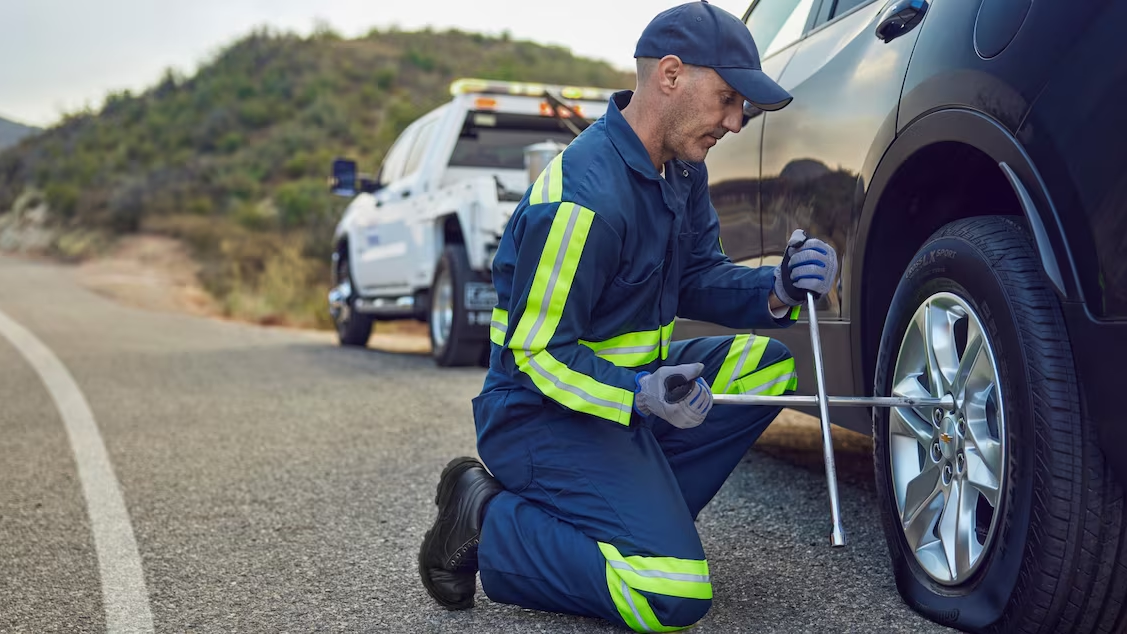
Flat-tire assistance: Help changing a damaged tire when a usable spare and suitable equipment are available.
Vehicle lockout assistance: Car lockout assistance helps regain access when keys are locked inside the vehicle, subject to the vehicle's locking system and available equipment.
Fuel delivery: Delivery of a limited amount of fuel when a vehicle runs out, if offered by the provider.
Basic roadside troubleshooting: An initial assessment to help determine whether the vehicle can safely continue or needs a tow.
Towing becomes appropriate when the vehicle cannot be safely driven or roadside assistance cannot resolve the problem. Examples include serious engine trouble, collision damage, certain transmission failures, steering problems, and vehicles that will not run after a jump-start.
Why the Type of Problem Matters
The same location can require different equipment depending on the vehicle's condition. A car with a dead battery may need a jump-start, while a car with a damaged wheel or a fluid leak may require transportation to a repair facility.
Drivers should describe the symptoms rather than guess at a diagnosis. Explain whether the engine starts, whether the vehicle moves, whether warning lights appeared, and whether there is visible damage. This information helps the dispatcher determine the appropriate type of assistance.
Understanding Central Ohio's Regional Service Areas
A towing service area describes the locations a company is prepared to serve. It may be defined by specific cities, counties, highways, mileage limits, or a broader operating region. Coverage can also depend on dispatch availability, equipment, and the distance between the provider and the disabled vehicle.
For drivers, the practical question is not simply whether a company serves Central Ohio. It is whether that company can assist at the exact location and with the specific vehicle problem.
Columbus and the Surrounding Metropolitan Area
Columbus is a major transportation and employment center in Central Ohio. Its busy roads, commercial districts, residential neighborhoods, and interstate connections create a wide range of roadside situations.
A vehicle might stop running in a downtown parking garage, experience a flat tire on a suburban road, or become disabled while traveling between work and home. Each situation presents different access and safety considerations.
For example, a car parked in a narrow garage may require equipment with suitable clearance. A disabled vehicle on a high-traffic roadway may need a coordinated recovery that accounts for traffic exposure and safe loading.
Drivers should provide the nearest cross street, road name, direction of travel, and a recognizable landmark when contacting a towing provider. On highways, the route number and nearest exit or mile marker can be especially helpful.
Suburban Communities and Residential Neighborhoods
Central Ohio's suburban communities include residential streets, shopping districts, business parks, and connecting roads. Breakdowns in these areas often happen in driveways, parking lots, apartment complexes, and roadside spaces.
Access can be more complicated than it first appears. A vehicle parked behind other cars, inside a gated community, or in a low-clearance structure may require additional coordination.
Before requesting service, explain any access restrictions. Mention locked gates, underground parking, narrow driveways, or a vehicle positioned where a tow truck cannot easily approach. Accurate information helps avoid equipment mismatches and unnecessary delays.
Smaller Towns and Rural Roads
Beyond the metropolitan area, drivers may encounter longer distances between services, limited lighting, narrow shoulders, and roads with fewer convenient stopping places.
A breakdown in a rural area can require more detailed directions than one in a familiar shopping district. Mobile phone reception may also vary, so drivers should share their location as precisely as possible when a connection is available.
If the vehicle is stopped on a narrow shoulder, around a blind curve, or near moving traffic, personal safety should take priority over troubleshooting. Drivers should not attempt repairs in a location where passing vehicles create an immediate hazard.
Major Highways and Interstate Connections
Central Ohio's highway network connects Columbus with other parts of the state and neighboring regions. Breakdowns on interstate highways and major routes can involve high-speed traffic, limited shoulder space, construction zones, and restrictions on where recovery vehicles can safely operate.
When reporting a highway breakdown, provide the highway number, direction of travel, nearest exit, and mile marker if visible. If the vehicle is near an entrance ramp, exit ramp, or interchange, identify that detail as well.
A towing provider may need to account for the vehicle's position and the conditions surrounding it before dispatching equipment. Drivers should follow instructions from emergency responders or highway authorities when those officials are managing the scene.
What Services May Be Available Across the Region?
The services offered in a particular area depend on the towing company's equipment, operating hours, service policies, and current availability. Confirm the specific service rather than assuming that every provider offers every form of roadside assistance.
Emergency and Local Towing
Emergency towing helps move a disabled or damaged vehicle from an unsafe or unsuitable location. Local towing may involve transportation to a nearby repair shop, a dealership, a residence, or another destination selected by the vehicle owner.
Before the truck is dispatched, clarify the pickup location and intended drop-off point. Ask whether the quoted price covers the complete trip, including any applicable mileage, loading, or other charges.
If the vehicle has collision damage, unusual dimensions, or wheels that cannot roll, explain that during the initial call. The details can influence the equipment required.
Flatbed and Wheel-Lift Towing
Flatbed towing places the vehicle on a platform for transport. Wheel-lift towing raises one end of the vehicle using a specialized lifting mechanism while the other end remains on the road, subject to the equipment and vehicle configuration.
Neither method is automatically the correct choice for every situation. The appropriate method depends on the vehicle manufacturer's towing requirements, drivetrain, damage, ground clearance, and the condition of the wheels and suspension.
All-wheel-drive vehicles, certain electric vehicles, and vehicles with significant collision damage may have specific transport requirements. Drivers should identify the make, model, and drivetrain when requesting assistance so the provider can assess the appropriate method.
Accident Recovery and Vehicle Relocation
A collision can leave a vehicle unable to move, unsafe to drive, or positioned in a location that creates a traffic hazard. Accident recovery may involve loading a damaged vehicle, coordinating access, and transporting it to an approved repair facility or other destination.
If a collision has caused injuries or created an immediate roadway danger, contact emergency services first. Do not stand in active traffic or attempt to move a severely damaged vehicle when doing so could put someone at risk.
For a vehicle that is simply being relocated, confirm the pickup and delivery addresses, access arrangements, and any special handling requirements in advance.
Roadside Assistance for Common Breakdowns
Some problems can be addressed without towing, provided the vehicle and surrounding conditions allow it.
A jump-start may resolve a discharged battery, but it will not necessarily fix a failing alternator, damaged wiring, or a battery that can no longer hold a charge. Similarly, a tire change service may restore mobility, but a damaged wheel, missing spare, or unsafe roadside position may make towing the better option.
When the underlying problem is uncertain, describe what happened before the vehicle stopped working. A sudden loss of power, overheating warning, burning smell, or unusual mechanical noise may indicate that continued driving could cause additional damage.
How Road Conditions Affect Towing in Central Ohio
Road and weather conditions influence both the likelihood of a breakdown and the process of recovering a vehicle. Central Ohio drivers may experience freezing temperatures, snow, ice, heavy rain, summer heat, and changing road conditions throughout the year.
Winter Weather, Snow, and Ice
Cold weather can expose weak batteries, reduce tire pressure, and make some vehicles harder to start. Snow and ice can also reduce traction, increase stopping distances, and contribute to vehicles sliding off the roadway.
A vehicle stuck in snow may require a vehicle recovery service rather than a routine tow. The correct approach depends on how deeply the vehicle is stuck, whether its wheels can turn, the terrain, and whether nearby obstacles limit access.
Drivers should tell the dispatcher if the vehicle is off the pavement, resting in a ditch, or surrounded by snow or ice. Avoid spinning the tires repeatedly in an attempt to escape, since this can dig the vehicle in deeper.
Heavy Rain and Flooded Roads
Rain can reduce visibility and traction, while standing water can conceal potholes, debris, or damaged road surfaces. Water entering the engine or electrical components can also create serious problems.
Never drive through floodwater when its depth or the condition of the road is uncertain. If a vehicle has stalled in water, do not repeatedly attempt to restart it; doing so can worsen certain types of engine damage.
Tell the towing provider if the vehicle is in or near floodwater. If the situation presents an immediate danger to occupants, move to safety when possible and contact emergency services.
Summer Heat and Mechanical Trouble
High temperatures can place additional stress on cooling systems, tires, and batteries. An overheating engine, sudden tire failure, or air-conditioning problem may become apparent during a long trip or slow-moving traffic.
If the engine temperature warning appears, pull over somewhere safe and shut off the engine when appropriate. Never remove a hot radiator cap, since pressurized coolant can cause serious burns.
Explain the warning signs to the dispatcher. A vehicle that overheated may need towing even if it restarts after cooling down, because the original problem may remain unresolved.
How to Request Towing or Roadside Assistance
Providing clear information at the beginning of a service request helps the provider evaluate the situation, identify appropriate equipment, and communicate expectations.
Step 1: Move to a Safe Position
If the vehicle remains controllable, move it away from moving traffic when it is safe to do so. Turn on the hazard lights and use available warning equipment only when it is safe and appropriate.
Do not attempt to push a vehicle across an active lane or inspect damage while standing in traffic. If you cannot safely leave the vehicle, follow emergency guidance for your location and circumstances.
Step 2: Identify Your Exact Location
Give the dispatcher the most precise location you can.
Useful details include:
Street address or nearest cross streets.
Highway number, travel direction, and nearest exit or mile marker.
Business name or visible landmark.
Parking garage level, entrance, or access restrictions.
Whether the vehicle is in a travel lane, on a shoulder, in a ditch, or in a parking area.
A location pin can help, but it is useful to describe the location verbally as well.
Step 3: Explain the Vehicle's Condition
Provide the vehicle's make, model, approximate size, and drivetrain if known. Explain whether it starts, rolls, steers, and brakes normally.
Mention collision damage, leaking fluids, flat or missing tires, locked wheels, low ground clearance, or any other issue that could affect loading. For electric or all-wheel-drive vehicles, identify the powertrain or drivetrain so transport requirements can be considered.
Step 4: Confirm the Service and Cost
Before authorizing the work, ask what service is recommended and what the estimated cost includes.
Clarify whether the quote covers dispatch, hookup, mileage, winching, after-hours charges, or other applicable fees. Not every charge applies to every job, so ask for an explanation of costs that affect the total.
Also confirm the intended destination and whether the provider can accommodate any special vehicle-handling requirements.
Step 5: Understand the Expected Arrival
Ask for an estimated arrival window rather than assuming that assistance will arrive immediately. Traffic congestion, weather, distance, ongoing recovery jobs, and equipment requirements can all affect the timing.
Remain in a safe place while waiting. If your location becomes more dangerous or the vehicle moves into an active traffic lane, contact emergency services when appropriate and update the towing provider.
What Influences Towing Costs and Response Times?
There is no single price or arrival time that applies to every towing request across Central Ohio. Costs and response times depend on the details of the individual job.
Distance and Destination
A short local tow and a longer trip to a repair facility involve different travel distances and operating requirements. The pickup location, destination, and route can all affect the estimate.
Ask whether the quote includes the full distance to the destination or whether mileage charges apply after a specified limit. If you have a preferred repair shop, provide its address before confirming the job.
Vehicle Condition and Required Equipment
A vehicle that rolls freely and can be loaded from an accessible parking space may require less specialized handling than one with locked wheels or severe collision damage.
Winching, difficult access, unusual vehicle dimensions, or recovery from a ditch may affect the equipment and labor required. Describe these conditions accurately to help the provider prepare.
Traffic, Weather, and Availability
A nearby truck is not necessarily available for every job, and the closest available operator may already be handling another call. Rush-hour traffic, road closures, snow, ice, and heavy rain can also affect travel time.
An estimated arrival window is a planning guide, not a guarantee. If timing is especially important, ask the dispatcher for the current estimate and whether any significant conditions could change it.
Choosing a Towing Provider for Central Ohio Travel
A useful towing provider should be able to explain its coverage, available services, pricing, and approach to vehicle handling without leaving the driver uncertain about what happens next.
Verify Coverage Before an Emergency
Check whether your intended pickup location falls within the provider's service area. If you regularly travel between Columbus, surrounding suburbs, and smaller communities, ask about coverage for those specific routes and destinations.
A website may describe a broad region without listing every town or road. Direct confirmation is the best way to resolve uncertainty about a particular address.
Ask About Equipment and Vehicle Compatibility
Not every tow truck is suitable for every vehicle. Confirm that the provider can handle your vehicle's size, drivetrain, condition, and any special loading requirements.
This is especially relevant for all-wheel-drive vehicles, electric cars, lowered vehicles, and cars with damaged suspension components. Following manufacturer transport guidance helps reduce the risk of avoidable damage.
Review Pricing and Communication
A clear estimate should explain the expected charges and identify any conditions that could change the price. Ask questions before authorizing service if the quote is unclear.
Good communication also means knowing where the vehicle will be taken, what to do while waiting, and whom to contact if circumstances change. Keep your phone available when possible and share a reliable callback number.
Understand Insurance and Motor Club Benefits
Some drivers have roadside assistance through an auto insurance policy, a motor club membership, a vehicle warranty, or a manufacturer program. Coverage terms vary, including limits on towing distance, eligible services, reimbursement, and approved providers.
Review the applicable terms before assuming a particular service will be covered. If you arrange your own tow, retain the receipt and service details if you intend to seek reimbursement.
Common Misconceptions About Towing Service Areas
Several assumptions can create confusion during a breakdown.
Misconception 1: Every towing company serves all of Central Ohio. A provider may cover selected communities or routes rather than the entire region. Always verify the exact pickup location.
Misconception 2: Roadside assistance always prevents a tow. Some problems can be fixed on-site, but serious mechanical issues, unsafe tires, collision damage, or electrical faults may require transportation.
Misconception 3: The nearest towing company will arrive first. Dispatch availability, equipment, traffic, and existing calls influence which truck can respond.
Misconception 4: All towing methods are interchangeable. Vehicle design, drivetrain, damage, and manufacturer instructions can determine how a vehicle should be transported.
Misconception 5: The initial quote always includes every possible charge. A quote may depend on mileage, recovery difficulty, or other job-specific conditions. Ask what is included before authorizing service.
Understanding these differences helps drivers make better decisions and reduces avoidable surprises during an already stressful situation.
Conclusion
Towing and roadside assistance across Central Ohio cover a range of needs, from dead batteries and flat tires to accident recovery and vehicle transportation. The right service depends on the vehicle's condition, the exact pickup location, road and weather conditions, and the equipment required to handle the situation safely.
Drivers can prepare by learning which providers serve their regular routes, keeping basic vehicle information accessible, and knowing how to describe a breakdown accurately. During an emergency, prioritize personal safety, share precise location details, explain the vehicle's condition, and confirm the estimated cost before authorizing work.
For drivers considering Casper Towing Ohio, the practical next step is to confirm directly whether the company serves the specific Central Ohio location, offers the required service, and can accommodate the vehicle. Clear communication before dispatch helps establish realistic expectations and supports a more informed roadside decision.
Frequently Asked Questions
1. What areas are considered Central Ohio for towing services?
Central Ohio commonly includes Columbus and surrounding metropolitan communities, along with nearby towns and rural areas. Each towing company defines its own service boundaries, so drivers should confirm coverage for their exact pickup address.
2. How do I find a towing company near my location in Central Ohio?
Search for towing services near your current location, check the provider's stated service area, and contact dispatch with your street address or highway location. Confirm availability, the type of assistance offered, and the estimated price before authorizing service.
3. What is the difference between roadside assistance and towing?
Roadside assistance addresses problems that may be resolved where the vehicle is stopped, such as a dead battery, flat tire, or lockout. Towing transports a vehicle when it cannot be safely driven or the underlying problem requires professional repair.
4. Can a towing company help with a breakdown on an Ohio highway?
A towing company may be able to assist with a highway breakdown, depending on its coverage, availability, and the circumstances. Provide the highway number, direction of travel, and nearest exit or mile marker, and contact emergency services if the situation presents an immediate danger.
5. Does roadside assistance include jump-starts and flat-tire changes?
Many roadside assistance providers offer jump-starts and tire-changing services, but availability depends on the provider and the situation. A usable spare tire, safe working conditions, and compatible equipment may be necessary. Confirm the service before dispatch.
6. Can all-wheel-drive and electric vehicles be towed normally?
Not always. All-wheel-drive vehicles and electric vehicles may have specific transport requirements that depend on their design and the manufacturer's instructions. Tell the dispatcher the vehicle's make, model, and drivetrain so the appropriate towing method can be determined.
7. How much does towing cost in Central Ohio?
Towing prices vary according to distance, vehicle condition, pickup accessibility, required equipment, and the provider's pricing structure. Ask for an estimate that explains applicable mileage, hookup, recovery, and additional fees before approving the service.
8. How long does it take for a tow truck to arrive?
Arrival times depend on the provider's availability, distance, traffic, weather, and the type of equipment required. Request a current estimated arrival window and update the dispatcher if your location or safety conditions change while waiting.
9. What information should I provide when requesting roadside assistance?
Provide your exact location, vehicle make and model, description of the problem, and whether the vehicle starts or can move safely. Mention collision damage, locked wheels, access restrictions, or unusual drivetrain requirements that could affect the service.
10. What should I do if my vehicle breaks down on the side of the road?
Move to a safer location if possible, turn on your hazard lights, and avoid standing in active traffic. Contact roadside assistance or a towing provider with your exact location and vehicle details. Call emergency services if there is an immediate danger or a collision involving injuries.
